Expert tips, seasonal advice, and pest control insights from the Hydra team.
Bed bugs are a growing concern in the Gila Valley, causing itchy bites and sleepless nights. Discover how to identify, prevent, and effectively eliminate these unwelcome guests from your Safford, Thatcher, or Pima home.
Africanized honey bees are established across nearly every corner of Arizona. Here's how to spot a colony, avoid an attack, and get a swarm safely off your property.
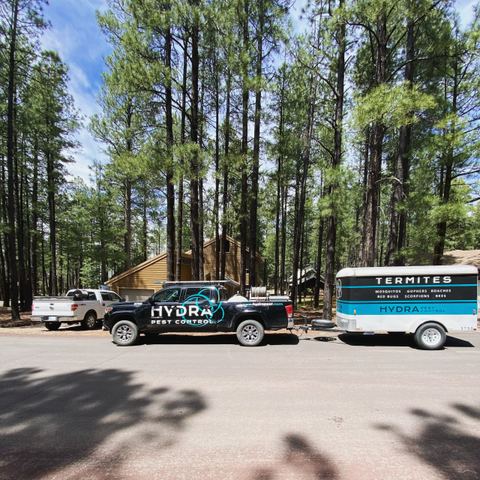
Termites can silently destroy your home's structure. Learn how to protect your property in Show Low, Pinetop, and throughout the White Mountains from these destructive pests.

When choosing a pest control company, their equipment matters. Learn how Hydra's professional power sprayers offer superior protection over services that rely on basic backpack sprayers.
Tired of battling stubborn weeds in your Sierra Vista yard? Discover effective weed control strategies tailored for our unique desert climate.
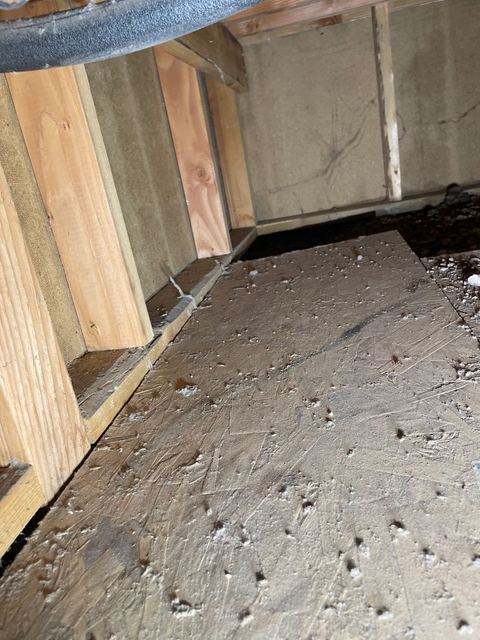
Mouse activity spikes in the fall in Arizona. Learn the 7 signs of an infestation and, most importantly, the safe way to clean up droppings and nests to avoid disease.
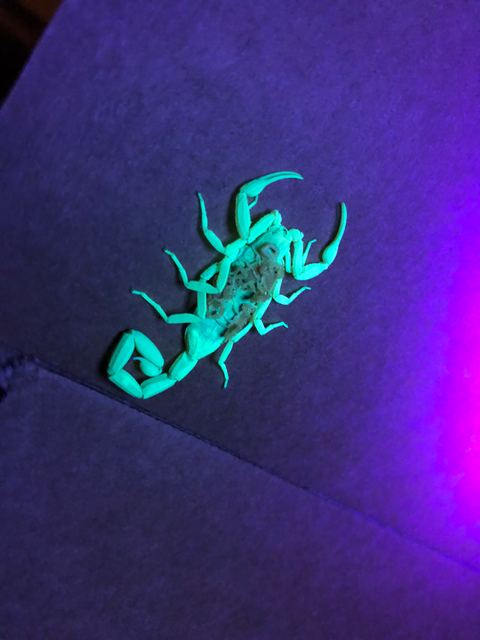
Bark scorpions climb, hide in block walls and squeeze through tiny gaps. Here's how Sierra Vista, Bisbee and Gila Valley homeowners can keep them outside.
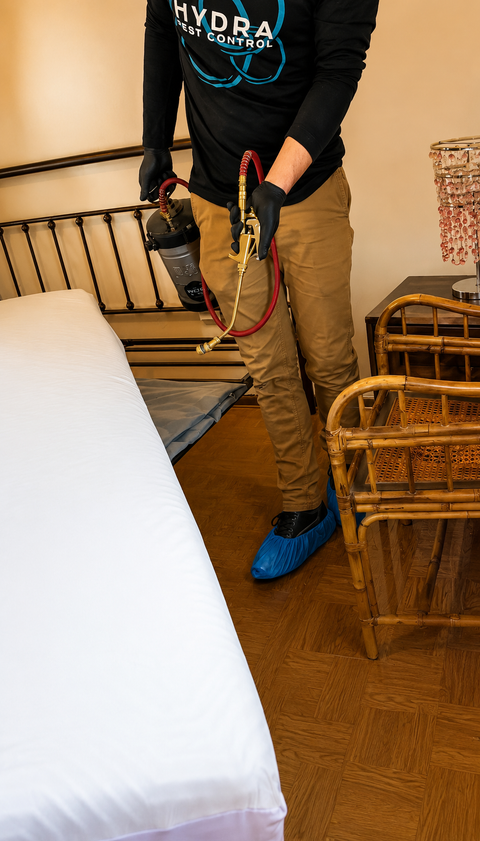
When facing a bed bug infestation, heat treatment often seems like the quickest and simplest solution. But is it truly the most effective and long-lasting option for homes and businesses in the Gila Valley?
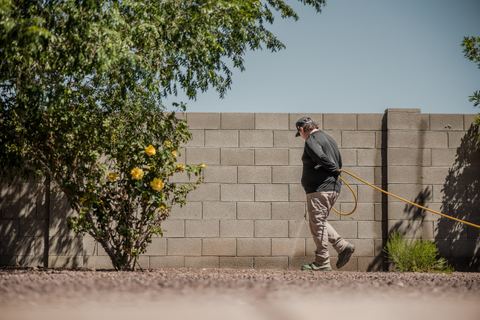
From relentless ants to venomous scorpions, the Gila Valley has its own set of pest challenges. Learn how our locally-focused pest control strategies keep homes in Safford, Thatcher, and Pima safe and comfortable year-round.
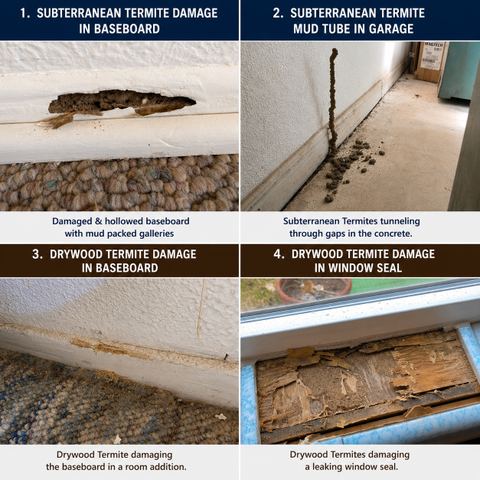
Buying a home in the Gila Valley? Your choice of termite inspector is critical. Learn why a misdiagnosis could cost a homebuyer thousands and how to choose a WDIR Termite expert you can trust.
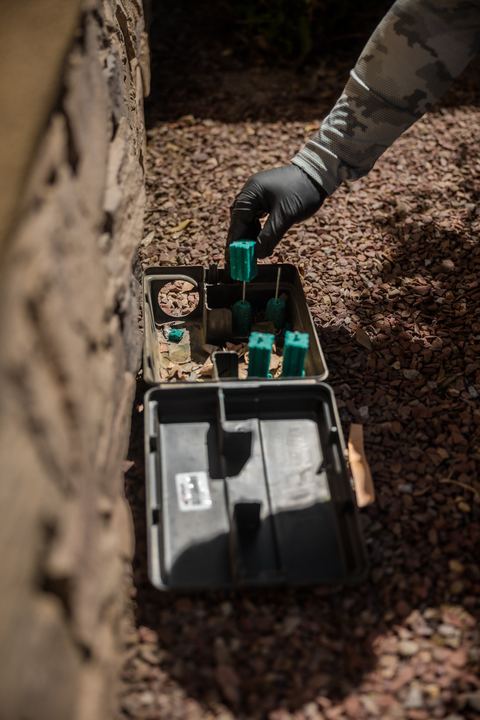
Living in the beautiful Gila Valley comes with its share of unique pests. Learn how proactive home maintenance is your first and best line of defense against scorpions, termites, roaches, and more.

Mud tubes, monsoon swarms and WDIR deadlines: a Sierra Vista homeowner's and PCS buyer's guide to termites in Cochise County.
While bats are vital to the ecosystem in the White Mountains, they don't belong in our homes. Discover the signs of an infestation and learn about Hydra Pest Control's humane and effective bat exclusion process.
Buying or selling a home in Safford, Thatcher, or Pima? A Wood-Destroying Insect Report (WDIR) is a critical step. Learn why it's essential for protecting your real estate investment in Arizona.
Freeport-McMoRan's $80M federal investment in Safford and Morenci is bringing new workers — and a hot housing market — to Graham and Greenlee counties. Here's the pest checklist every buyer should run before signing.
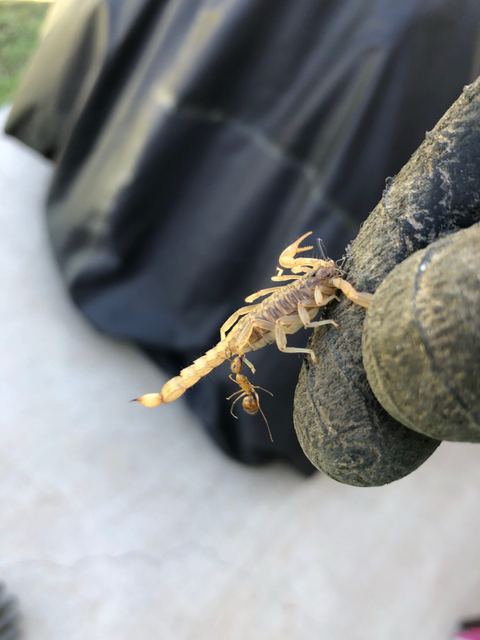
The Arizona bark scorpion is the only sting in North America that can actually send a small child to the ICU. Here's the data — and the action plan.
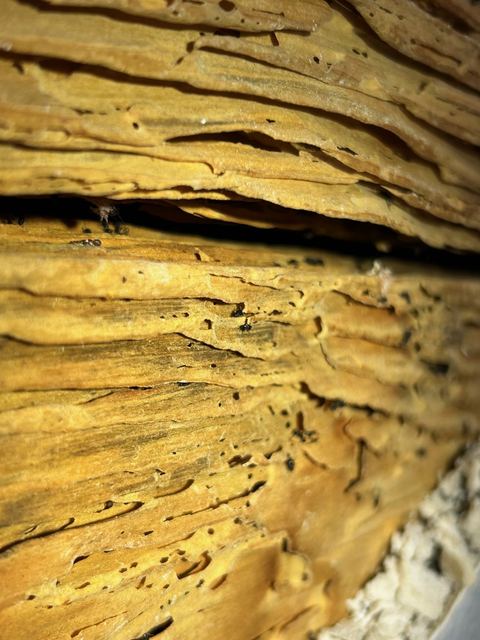
Cochise County's historic housing stock is part of its charm — and exactly why a Wood Destroying Insect Report belongs on every offer.
Pinetop-Lakeside's fire chief recently warned of rising wildfire risk across the White Mountains. What most cabin owners don't realize is that pest pressure spikes for weeks after a burn.
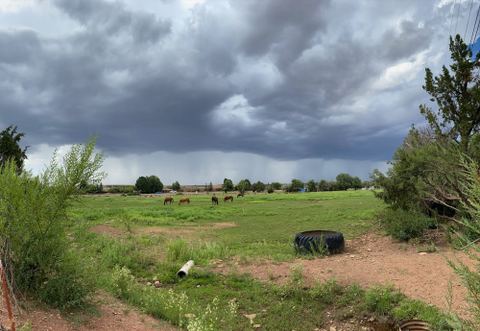
Arizona's monsoon rains push bark scorpions out of flooded burrows and toward the dry, climate-controlled walls of your home. Here's what we're seeing across the Gila Valley this season.
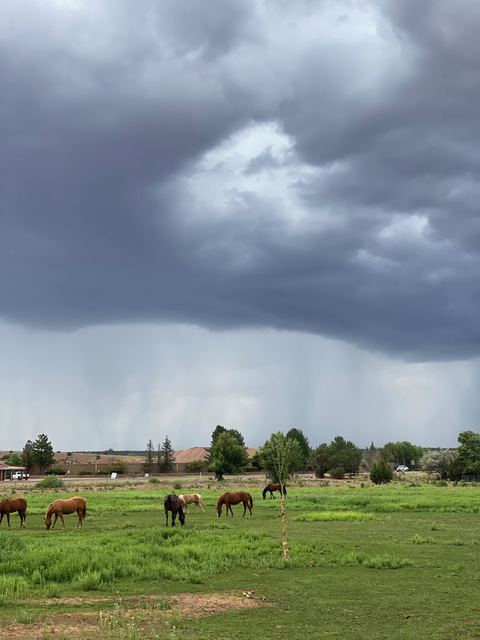
Arizona's monsoon season brings moisture and a surge in pest activity. Stay prepared with these expert tips.

Learn how Hydra keeps your pets safe while effectively eliminating pests from your home.
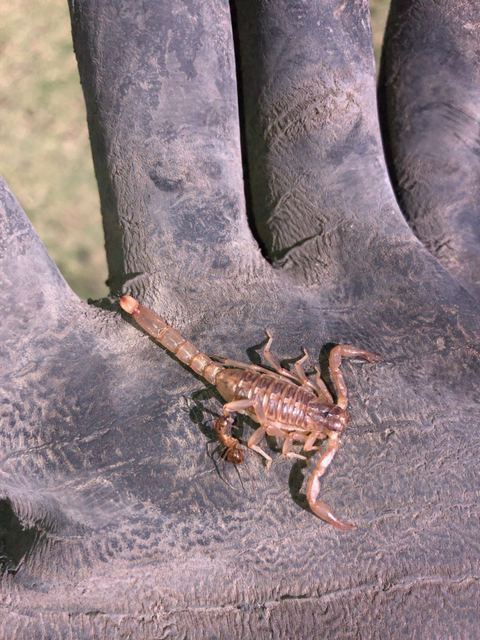
As temperatures rise, scorpion activity increases. Learn how to protect your home and family during peak scorpion season.
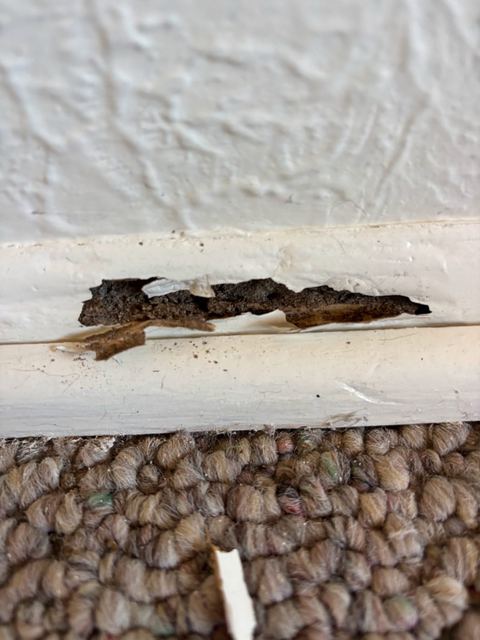
Don't skip the termite inspection when purchasing a home in Arizona. Here's what the WDIR report reveals.
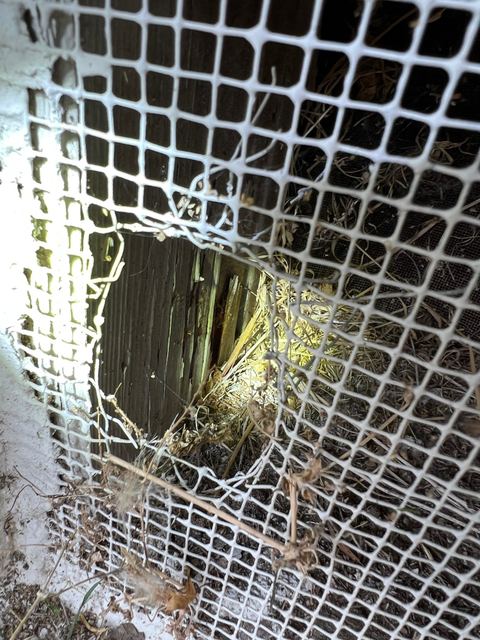
Pack rats are a year-round problem in the White Mountains. Here's how to spot them, why they move into engines and cabins, and what actually keeps them out.