

Arizona species
Black house spiders in Arizona: the Arizona black hole spider
Kukulcania arizonica
Arizona's dark crevice spider, often called a black house spider. Females stay in silk tubes in cracks; bites are minor.
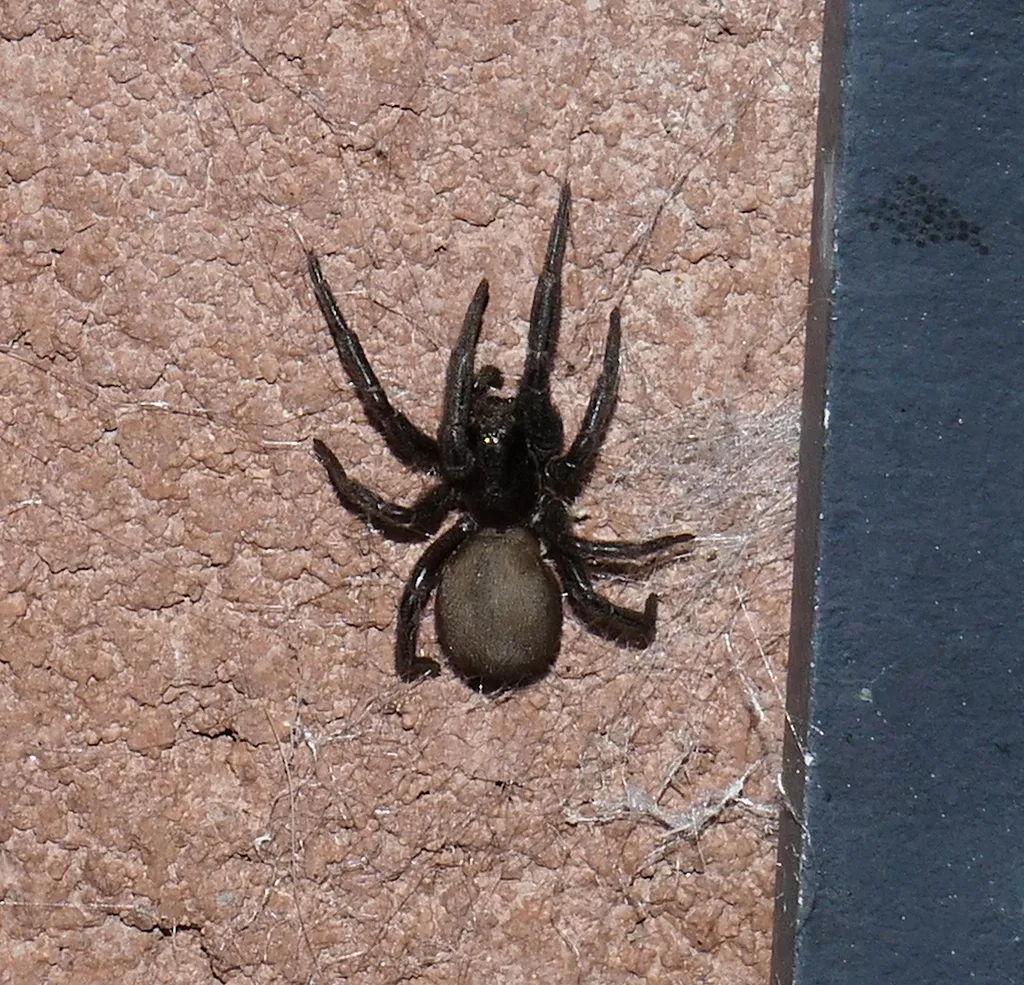
Source: Vetter and colleagues: Verified bites by crevice weaver spiders (Kukulcania)
How to identify
- Females are velvety dark brown to black, with stocky legs.
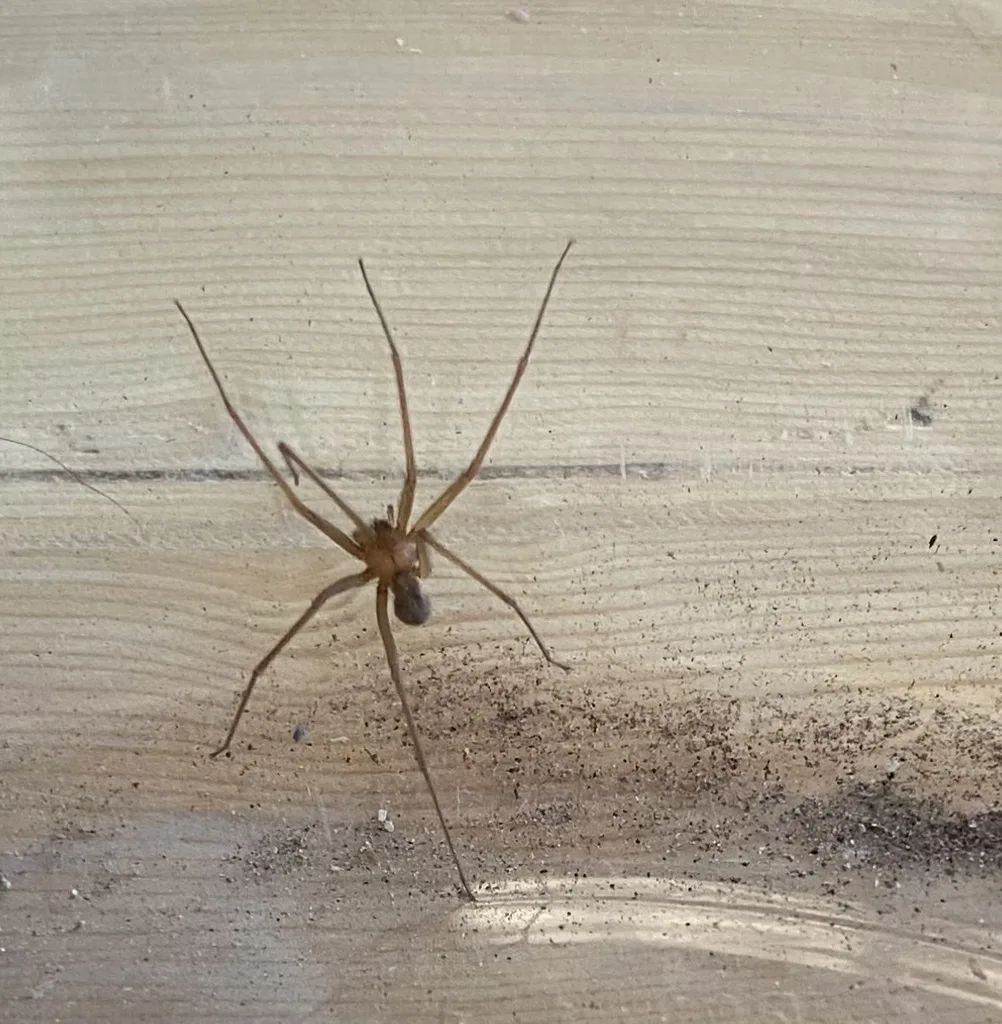
- Males are tan with long, spindly legs.
- Builds a silk tube in a crack with lacy silk spreading around the hole.
- Eight eyes, unlike recluses, which have six.
- Size
- Females are larger and stockier than the long legged males.
- Habitat
- Cracks in walls, block fences, eaves, rocks and older buildings.
- Where in Arizona
- Native to Arizona and nearby states. Researchers note crevice weaver spiders are common around homes in the southern U.S., which is where the name southern house spider comes from.
Look-alikes
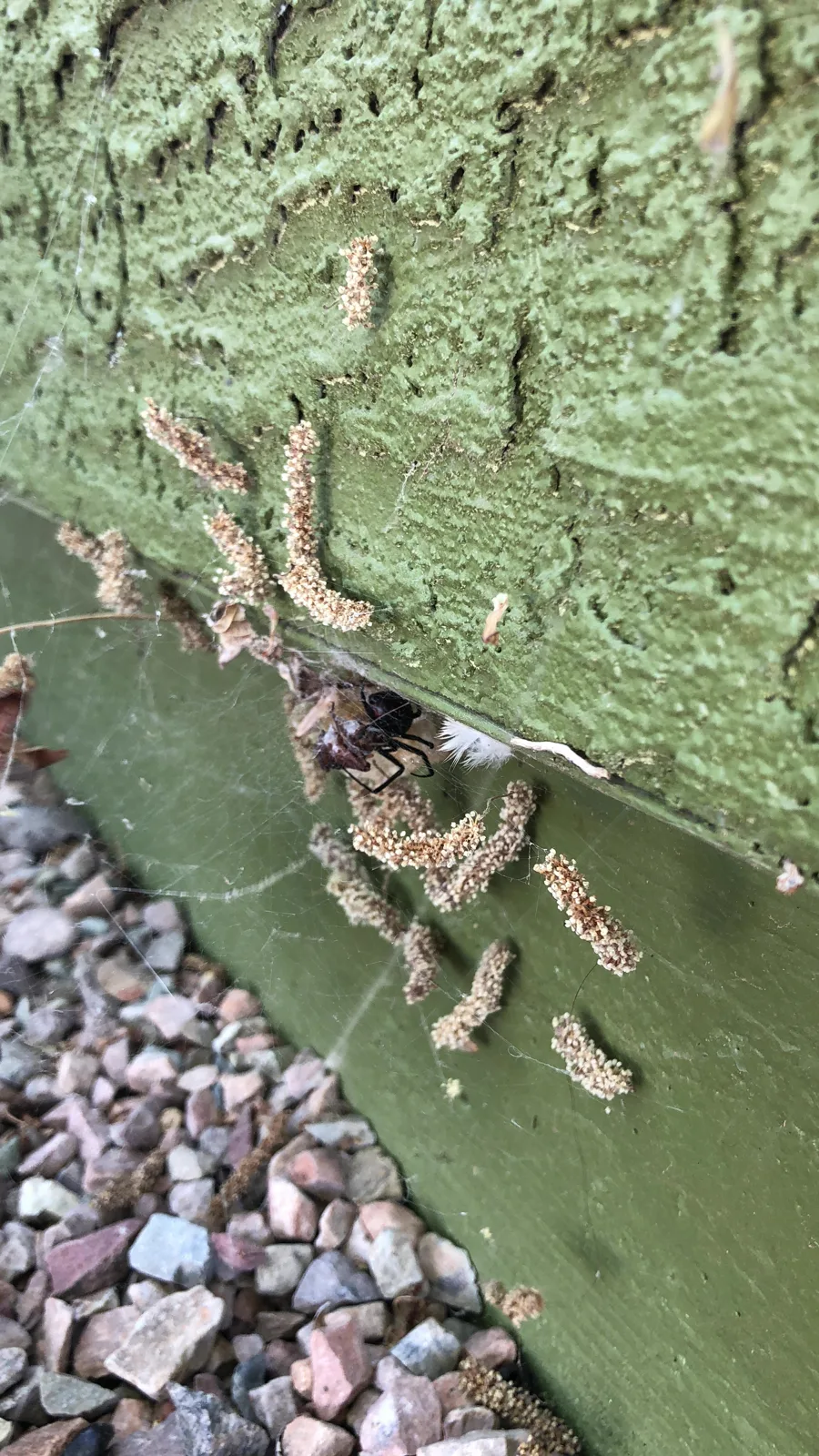
Prevention
- Seal gaps around doors, windows and utility lines.
- Repair screens and add door sweeps.
- Reduce clutter near walls and in garages.
- Cut down on the insects spiders feed on, including near outdoor lights.
Call Hydra if crevice webs keep showing up on walls or eaves. Our Service Pros will confirm the ID and treat cracks where spiders and their prey hide.
When to call Hydra
Call or text us, we answer both. Or send us your details and we'll come back with a free custom quote.
Frequently asked questions
Is the black house spider in Arizona dangerous?
No. A study of verified crevice weaver bites, including one in southeastern Arizona, found only minor, short lived symptoms.
Is it the black house spider from Australia?
No. The Australian black house spider has not been reported in Arizona. Arizona's dark crevice spider is the Arizona black hole spider, a crevice weaver also lumped with the southern house spider.
Why do the males look like recluses?
Tan males with long legs are often mistaken for recluses. Researchers say this mix up is common.