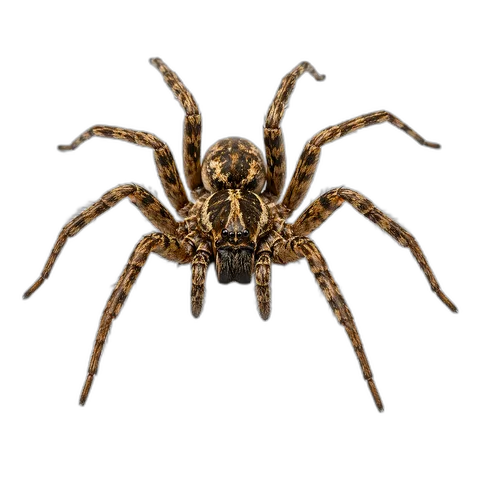
Black widows and native recluse spiders are the ones to watch in Arizona homes.
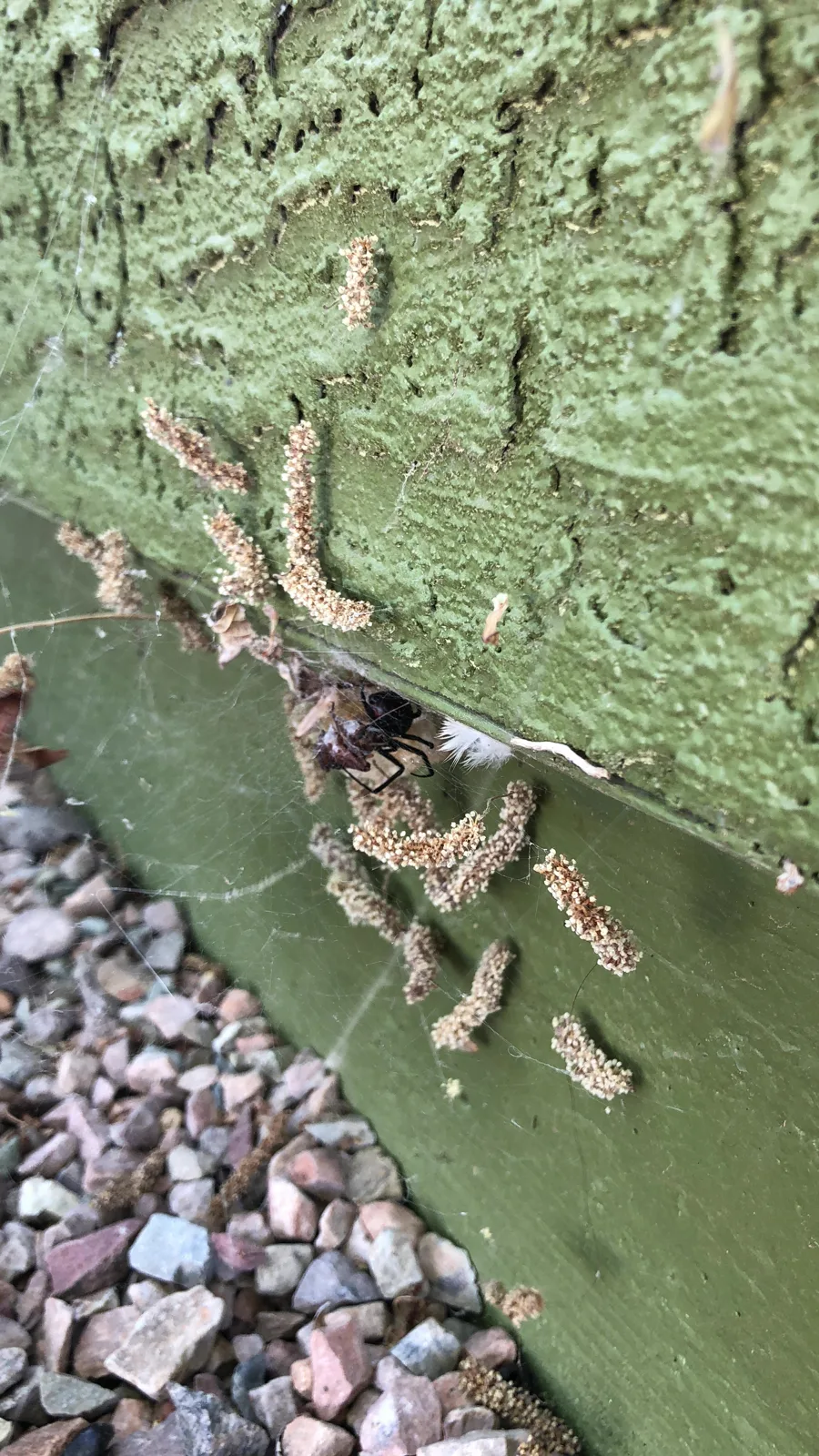
Latrodectus hesperus
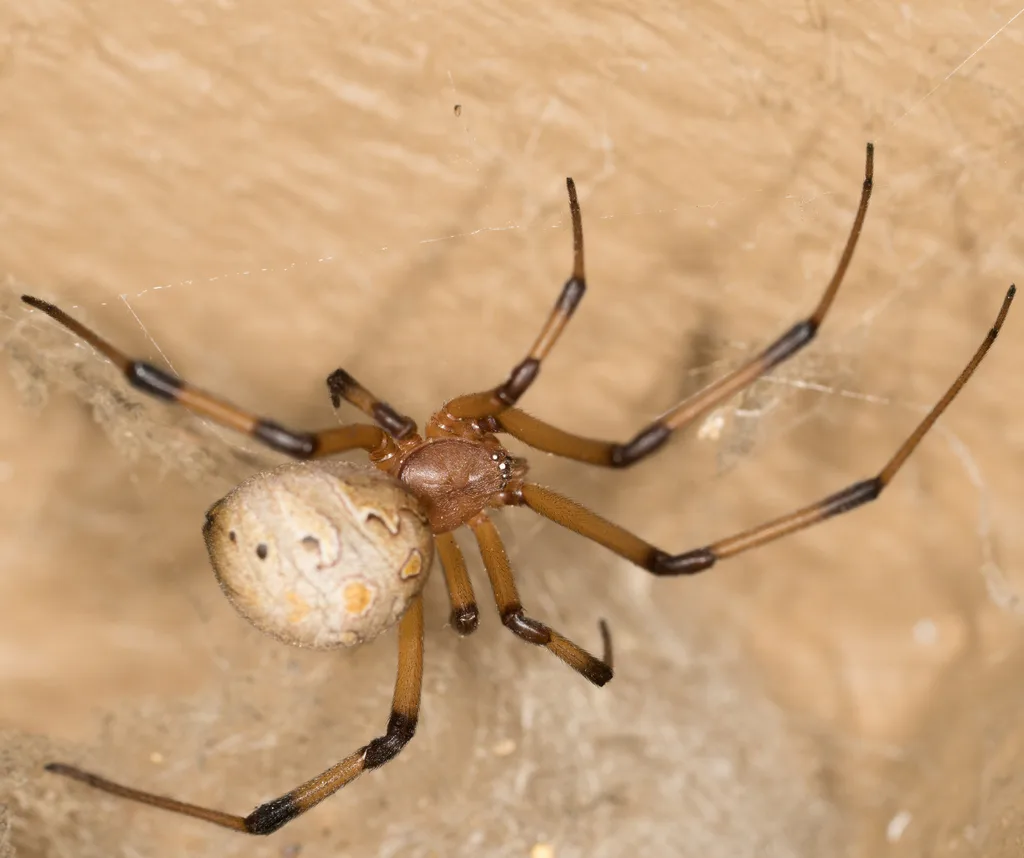
Latrodectus geometricus
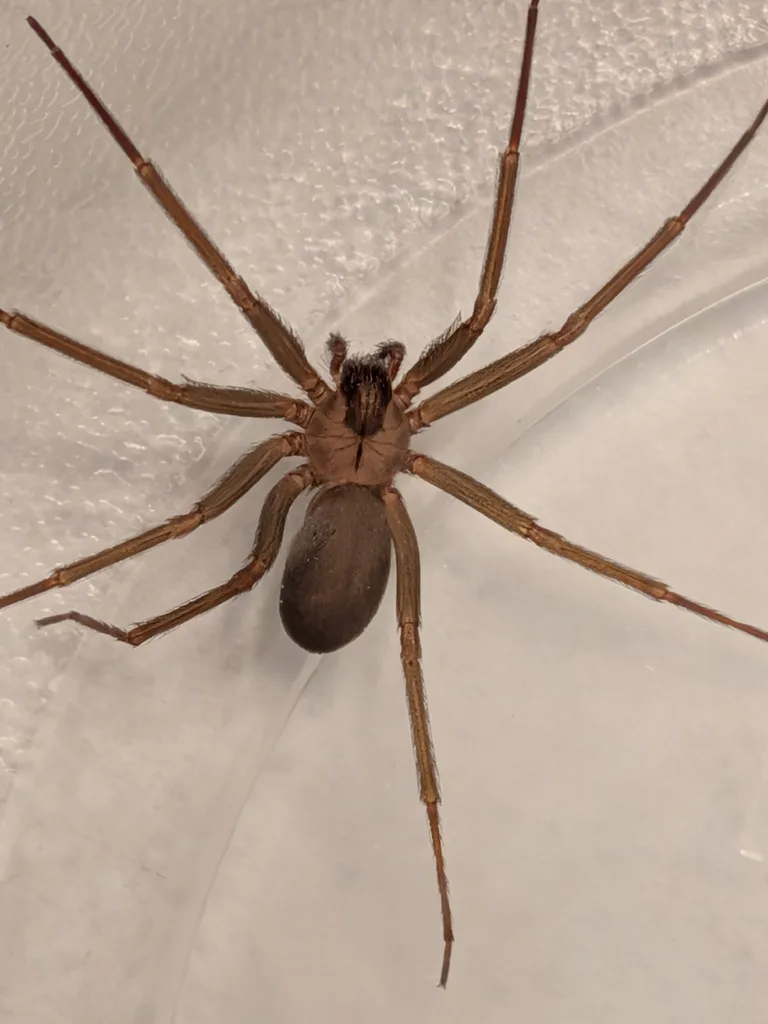
Loxosceles deserta
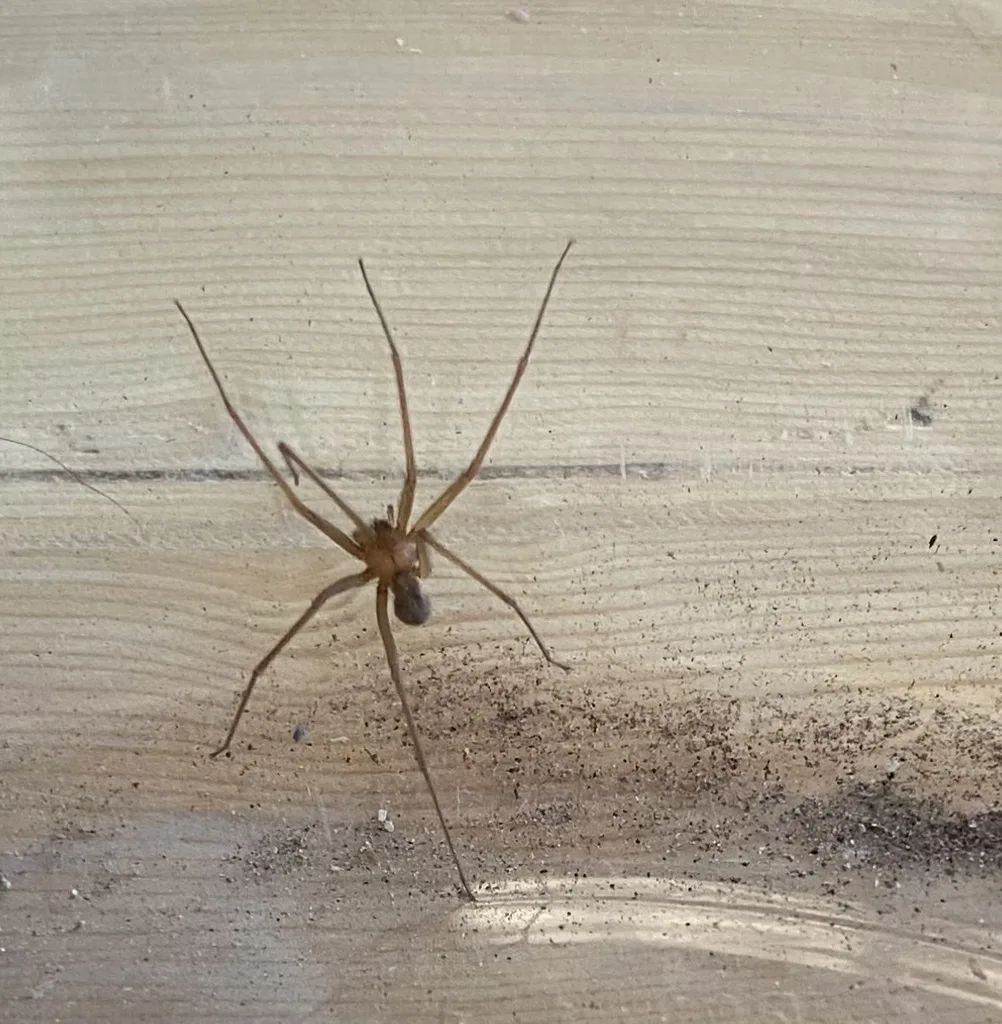
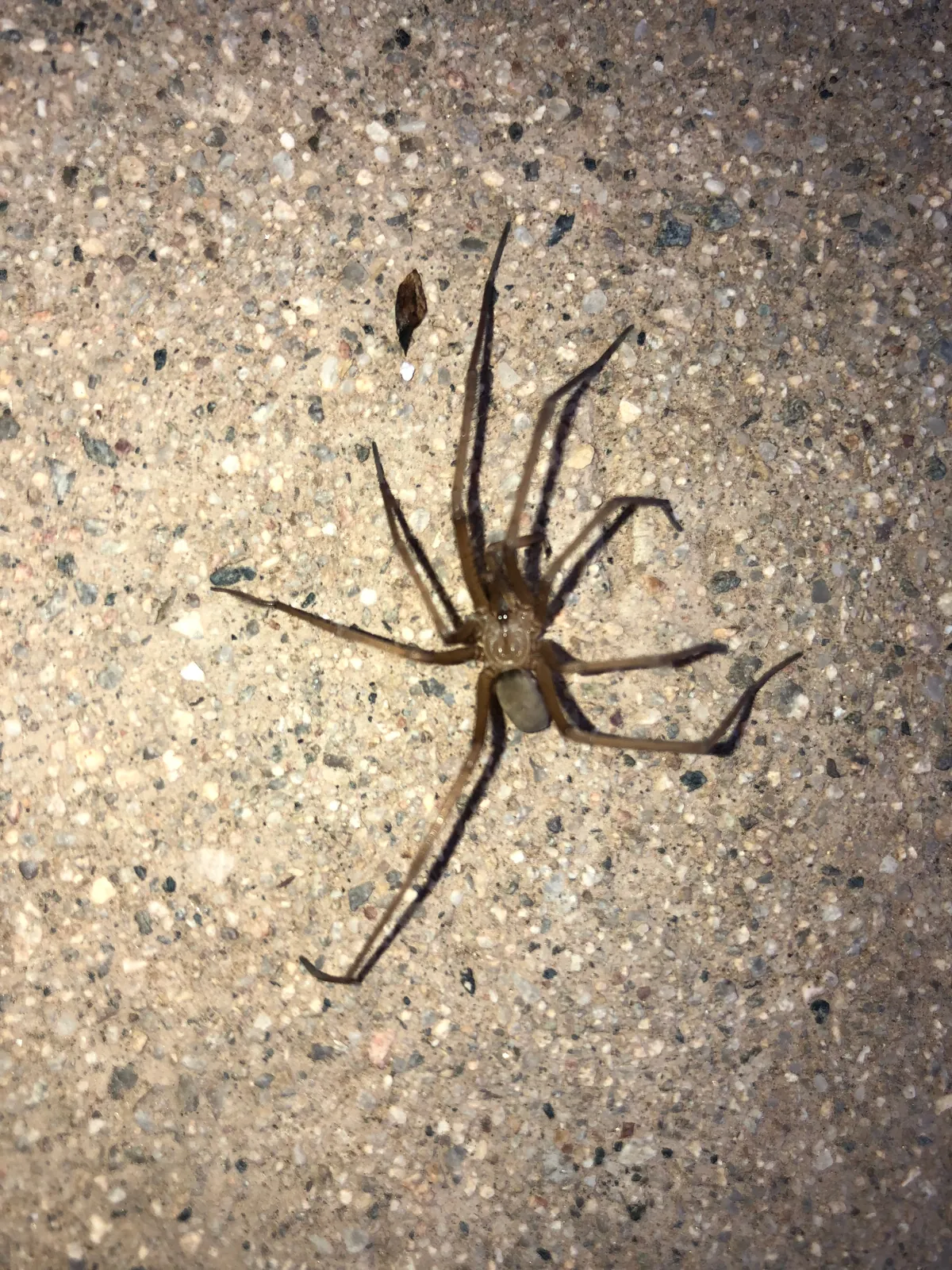
Loxosceles arizonica
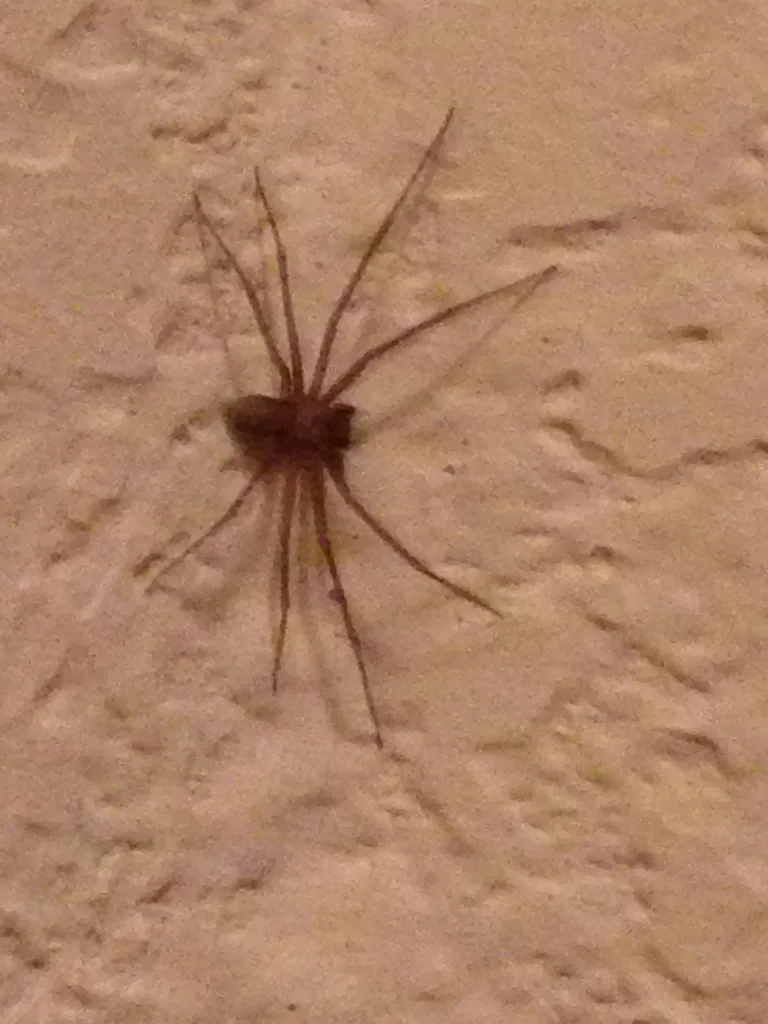
Loxosceles reclusa
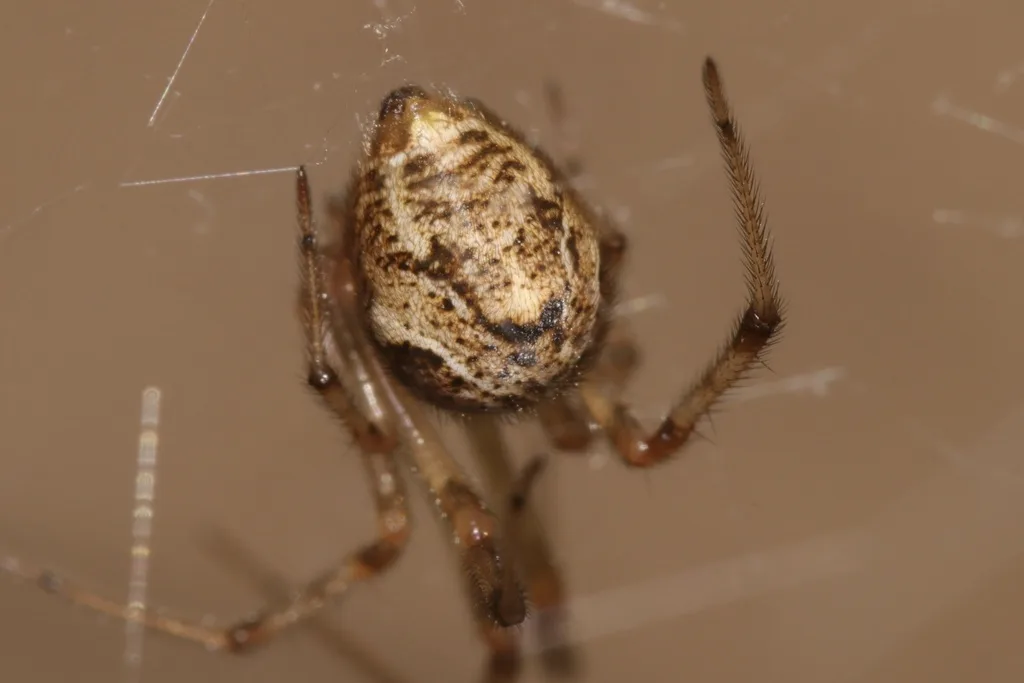
Parasteatoda tepidariorum
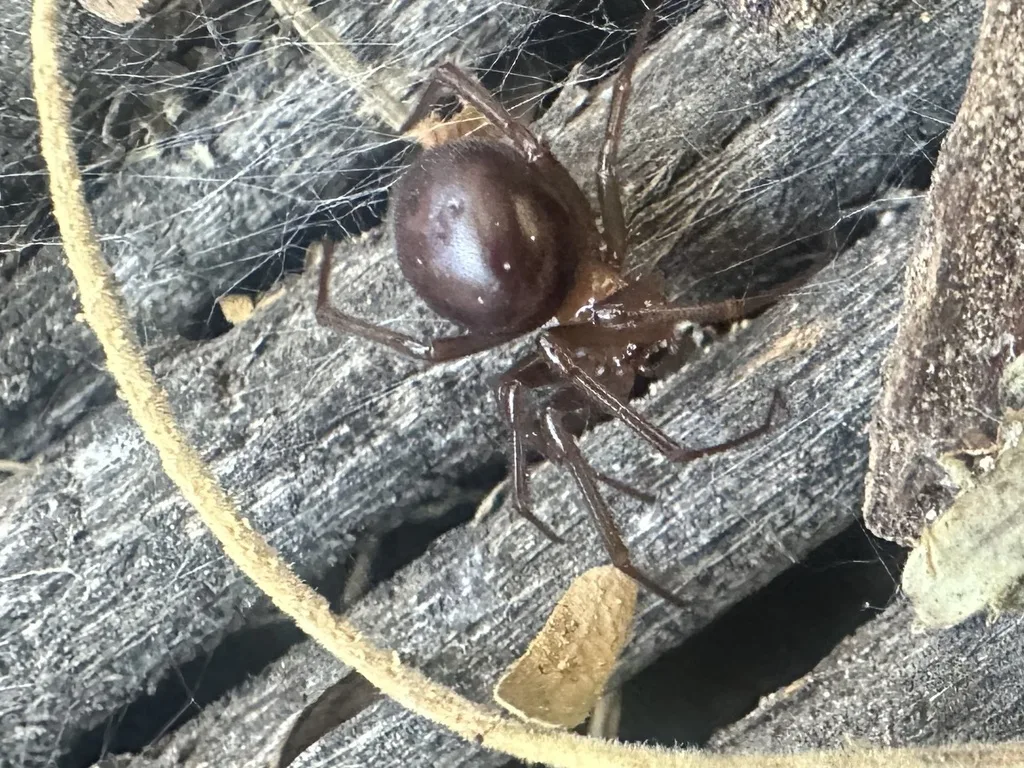
Steatoda grossa
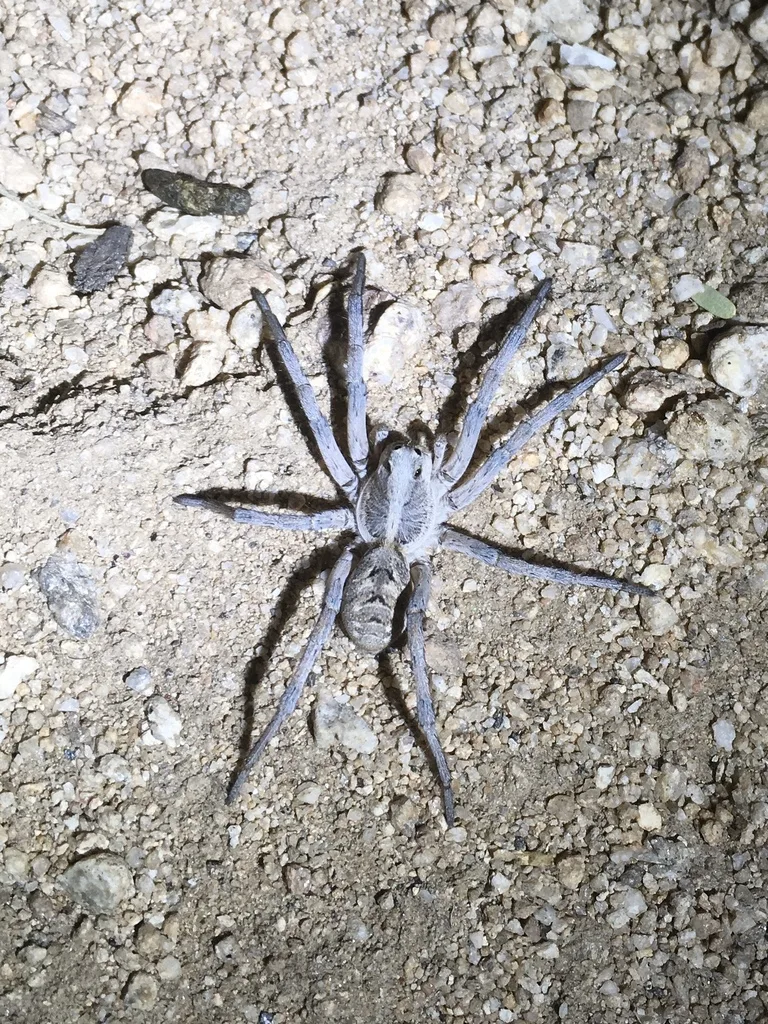
Hogna carolinensis
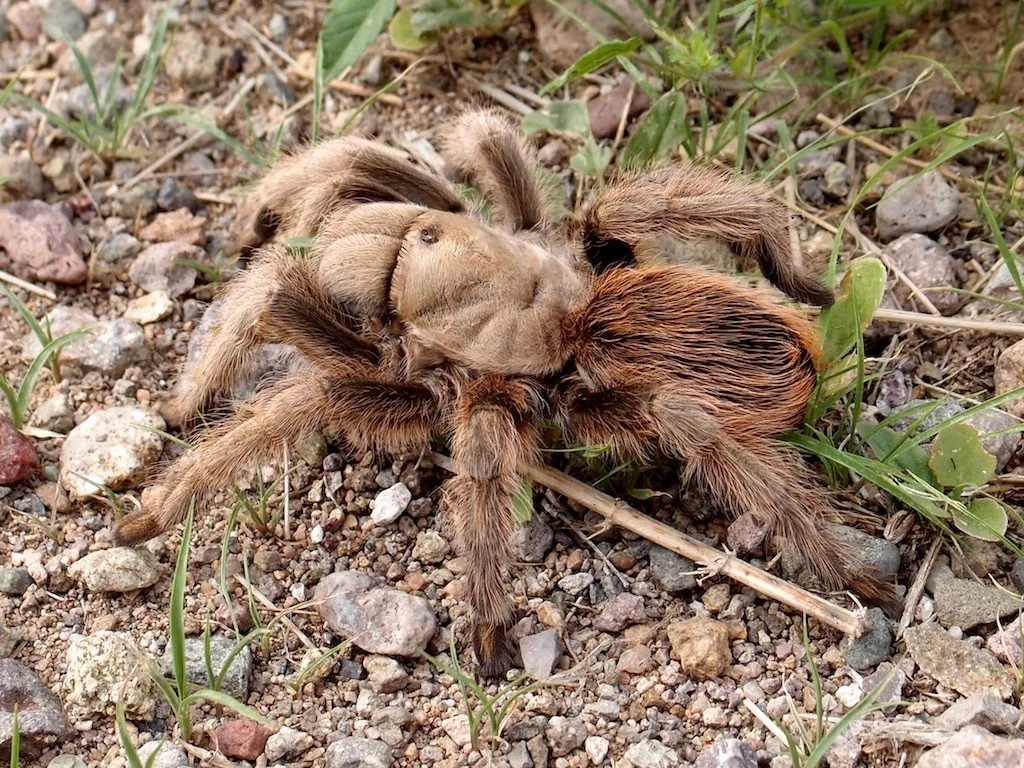
Aphonopelma chalcodes
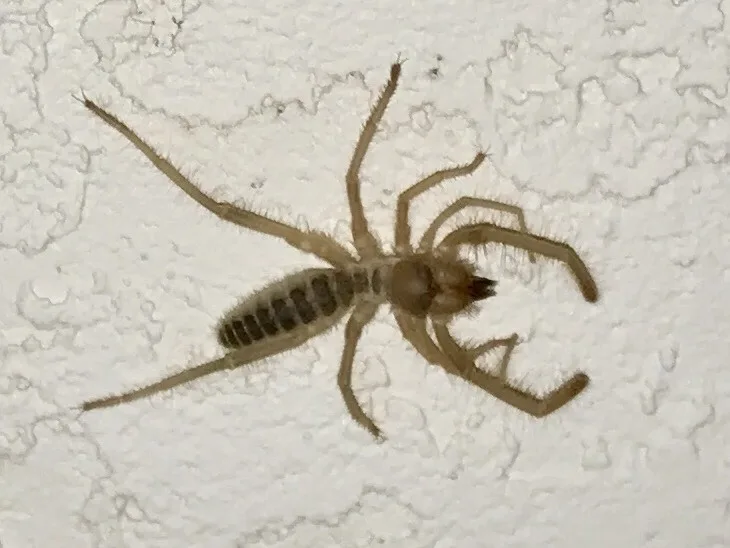
Order Solifugae
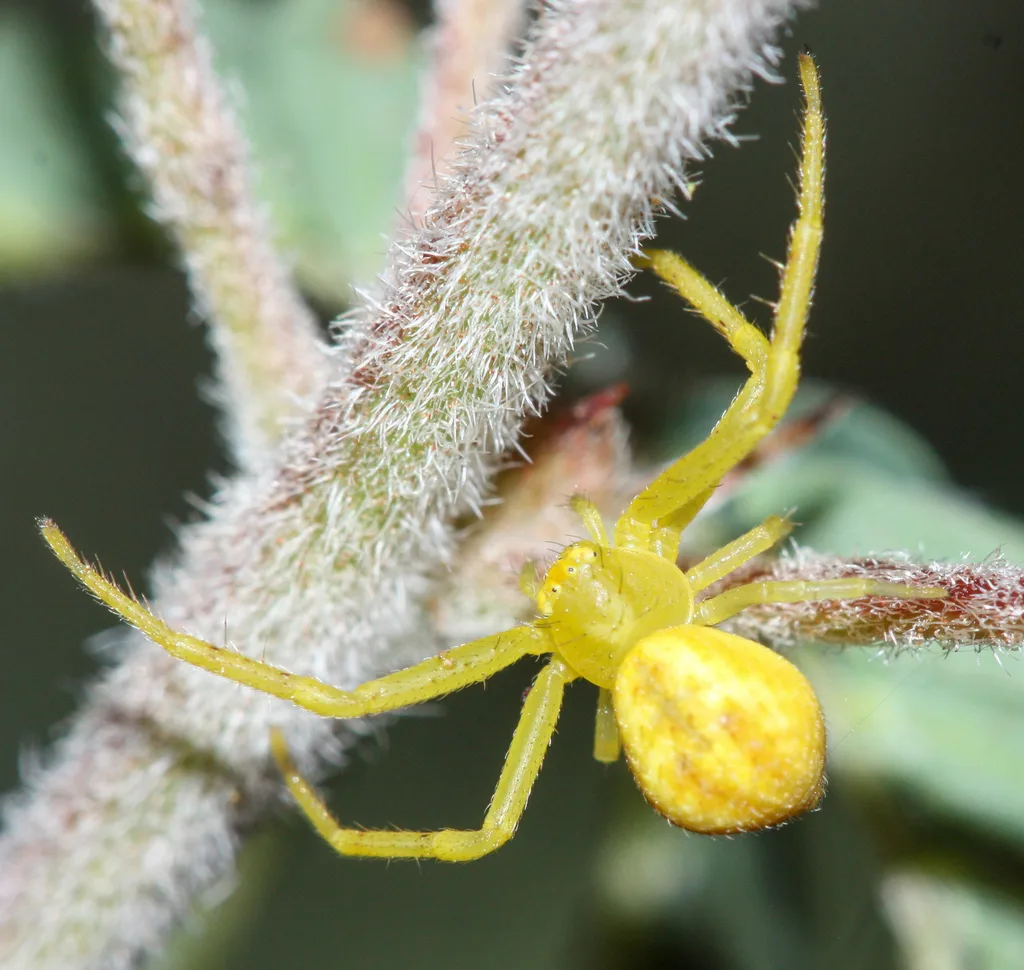
Family Thomisidae (Mecaphesa celer and relatives)
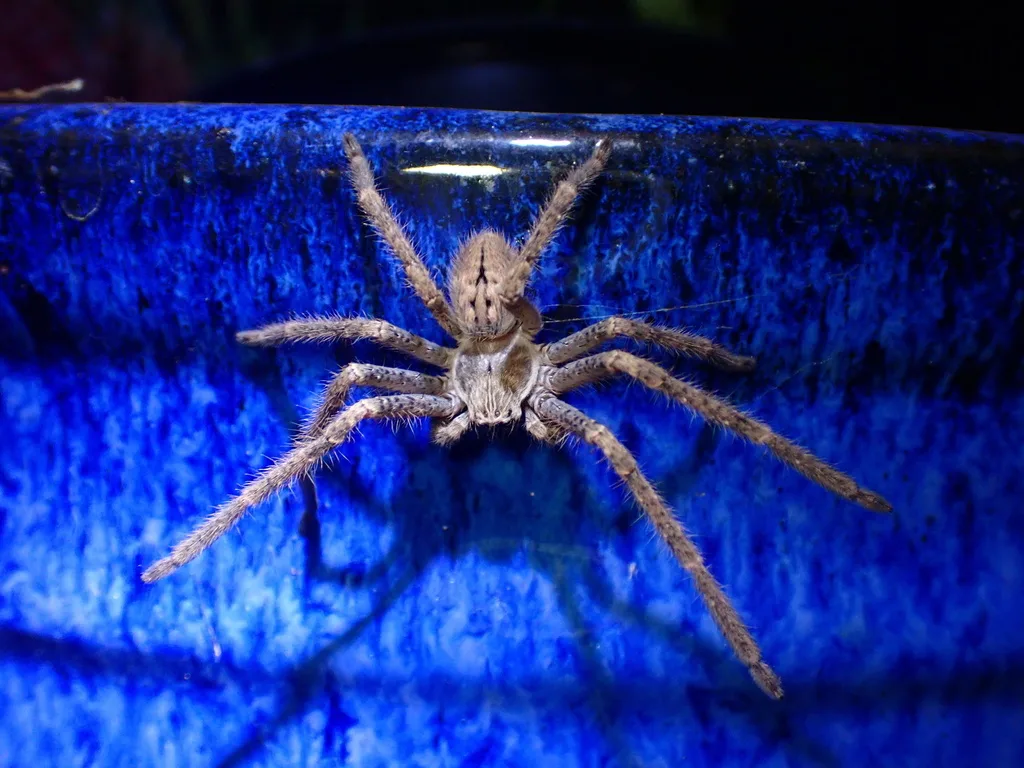
Olios giganteus
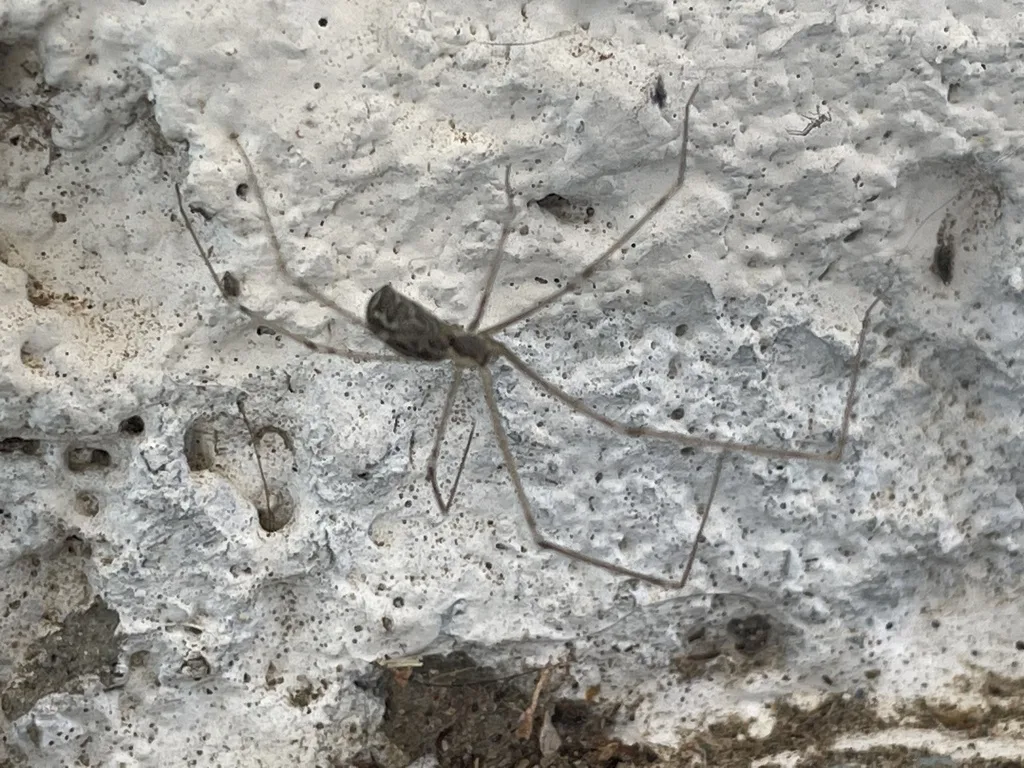
Family Pholcidae
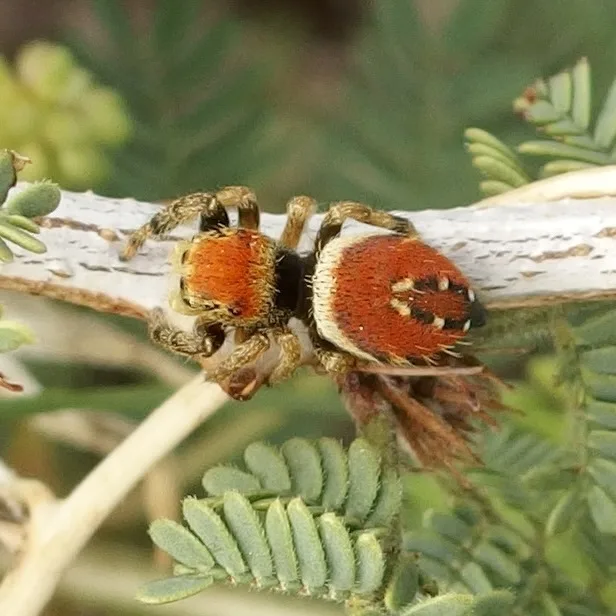
Family Salticidae
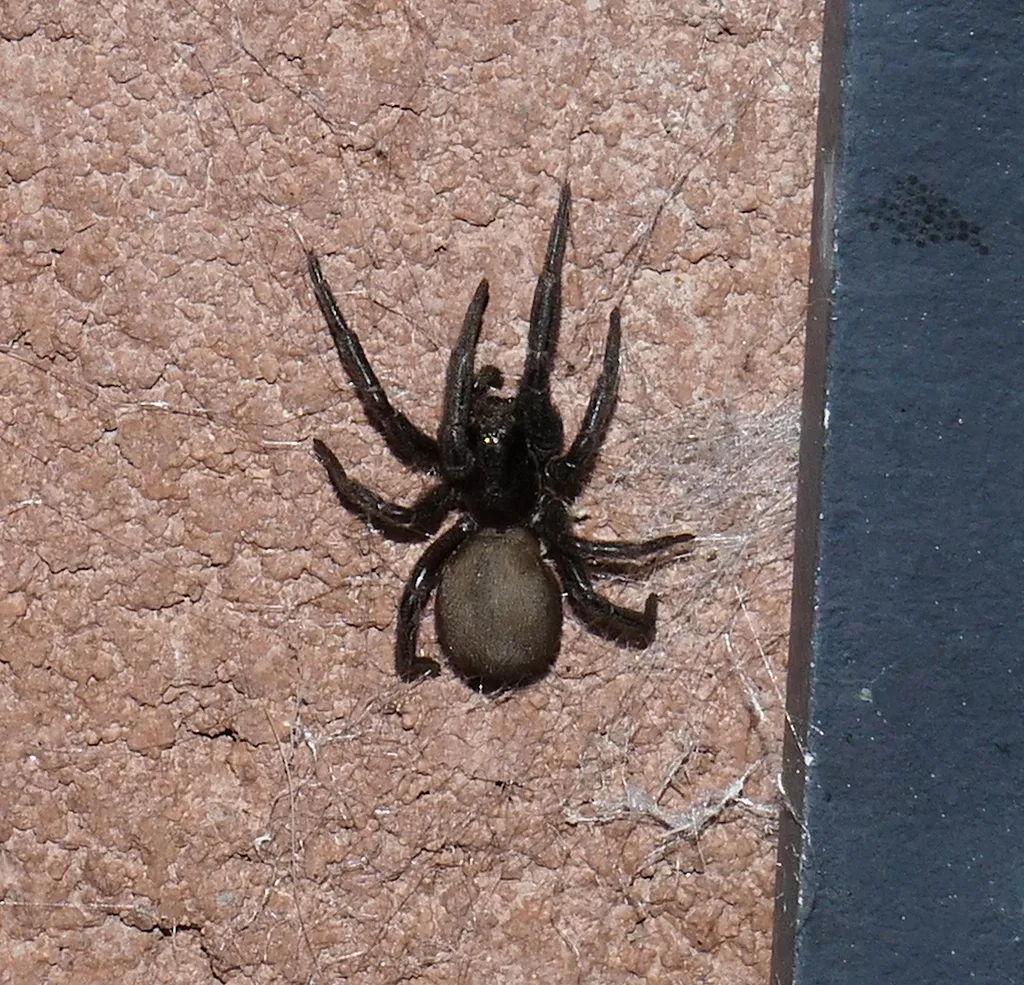
Kukulcania arizonica
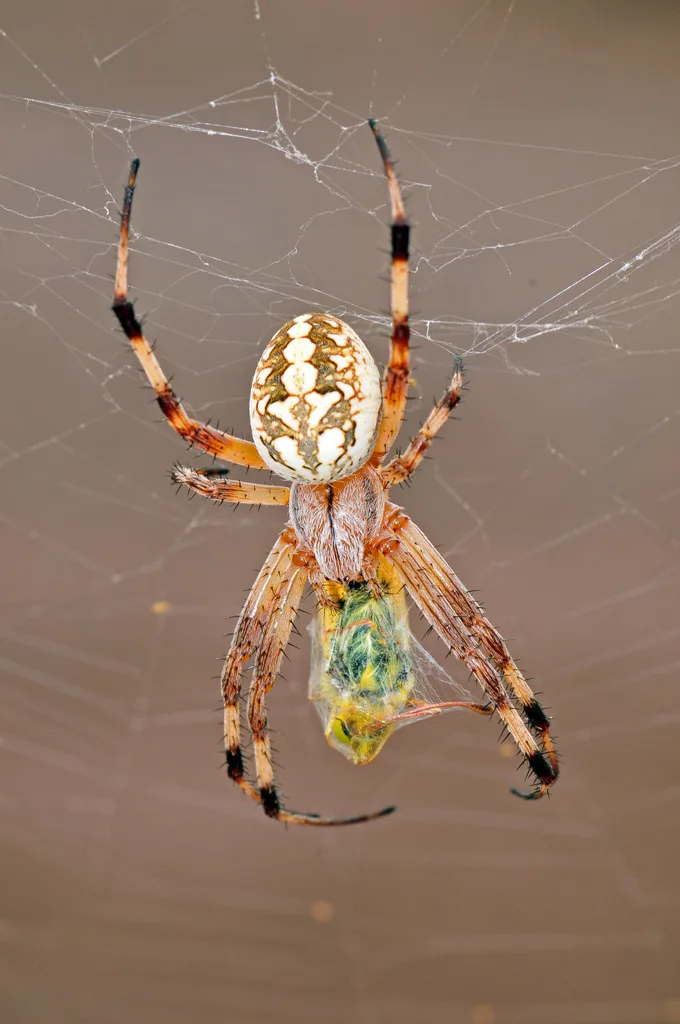
Family Araneidae (western spotted orbweaver and relatives)
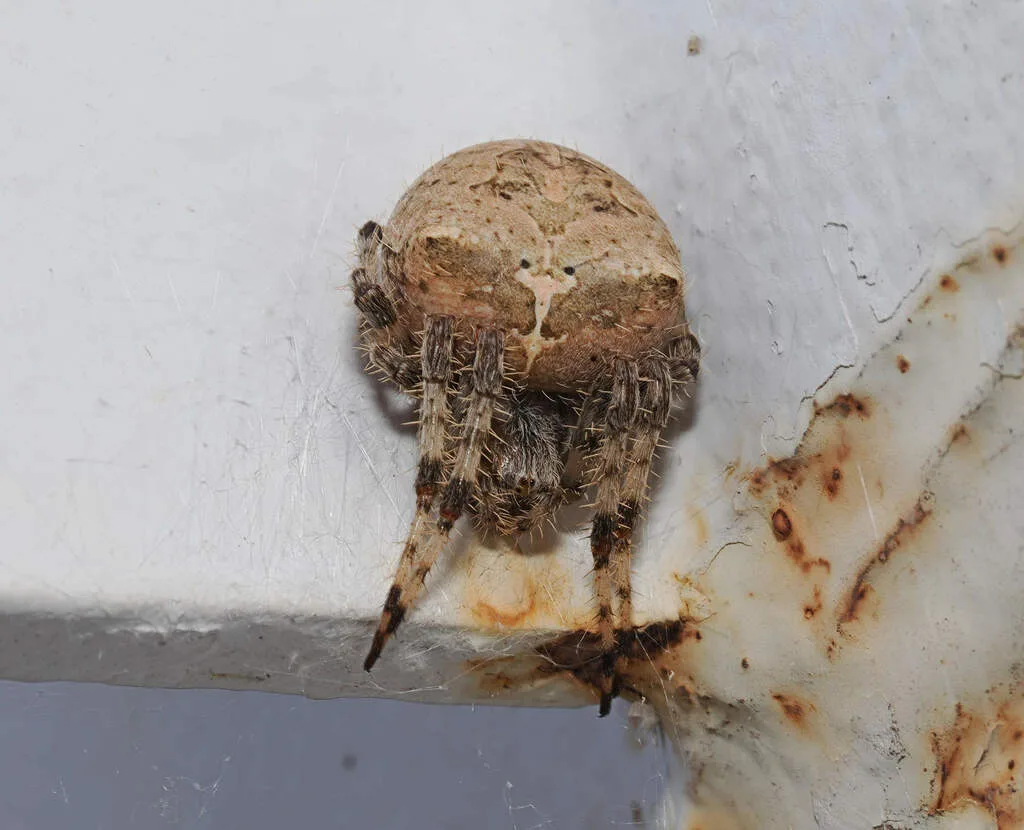
Araneus gemmoides
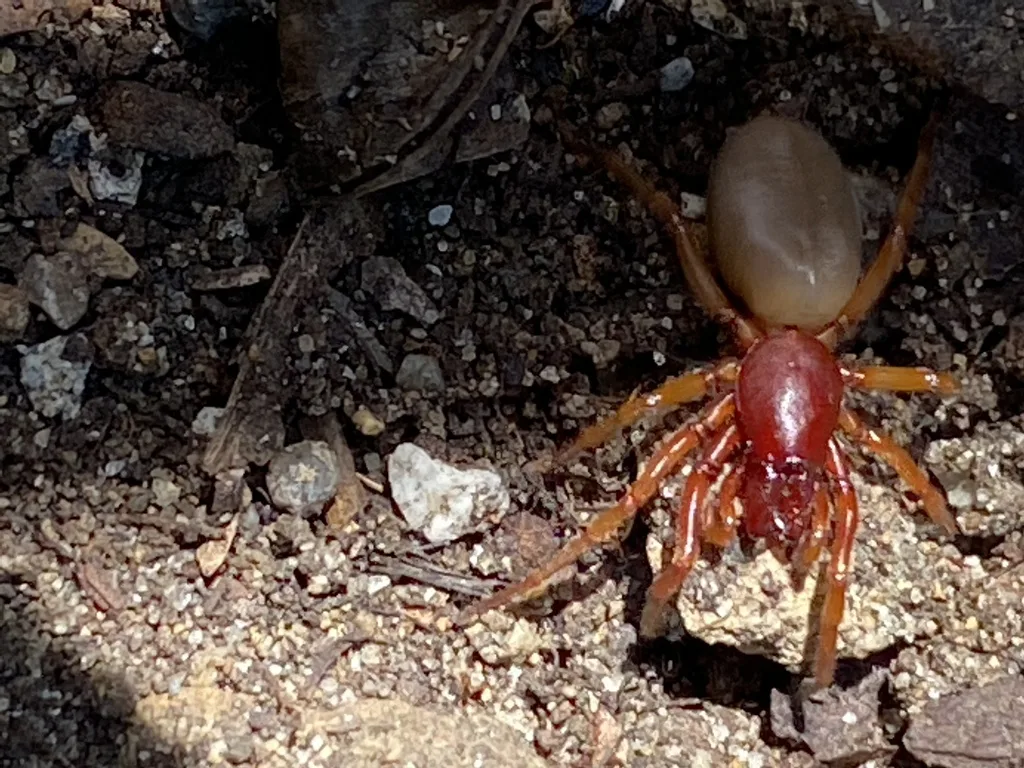
Dysdera crocata
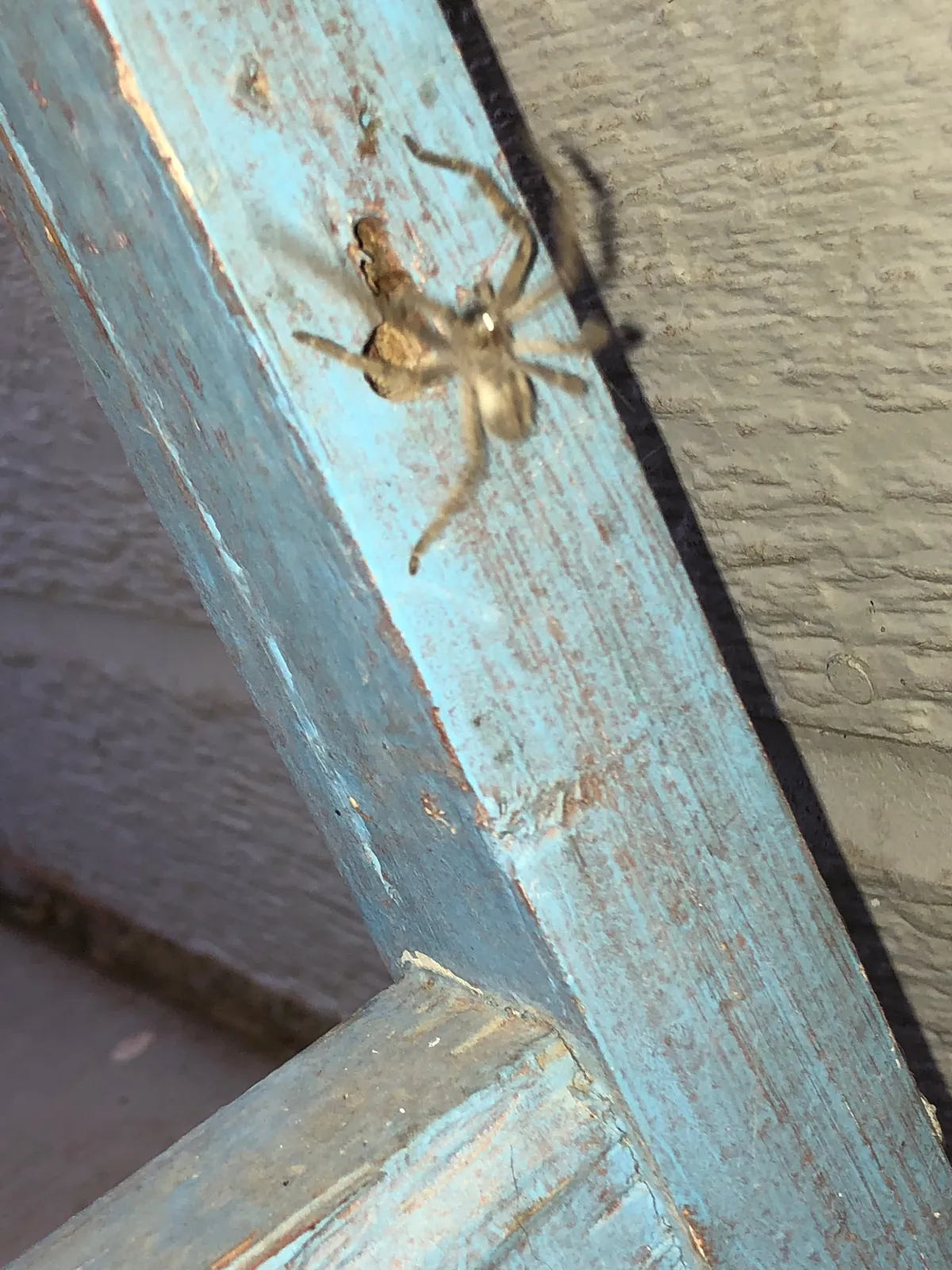
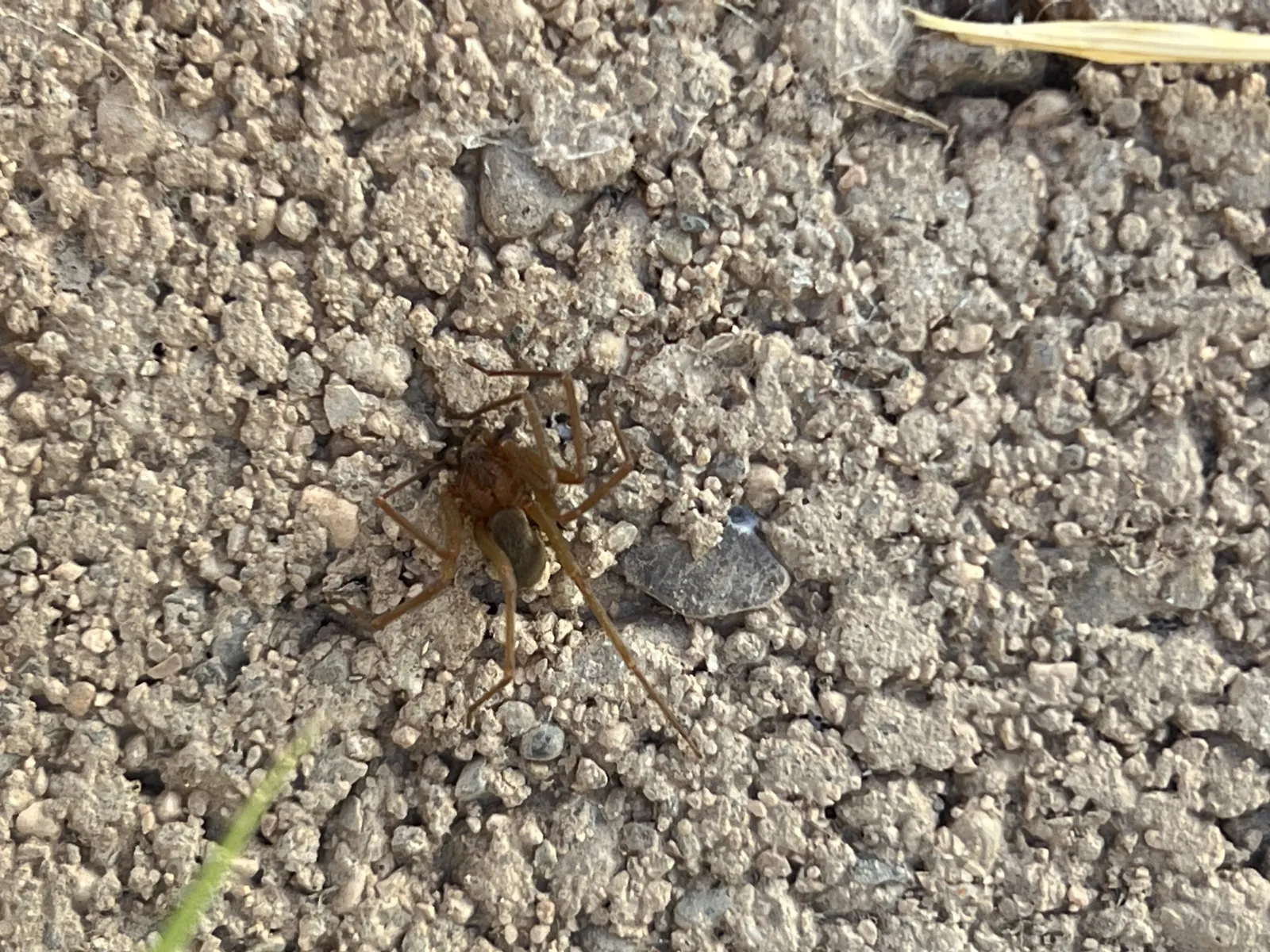
While most spiders in Arizona are harmless, the western black widow and native recluses such as the Arizona recluse pose genuine health risks. University of Arizona Extension notes the true brown recluse isn't established in Arizona; the recluses here are related native species (University of Arizona Extension AZ1677). These spiders commonly inhabit garages, sheds, and undisturbed areas of homes.
Spiders are primarily solitary hunters or web builders. They prefer dark, undisturbed areas. Black Widows build irregular webs near ground level.
Black Widow bites can cause severe muscle pain and cramping. Recluse bites can cause tissue damage. Both require medical attention.
Hydra applies targeted treatments to spider harborage areas, removes webs, and treats perimeters to reduce prey insects that attract spiders.
Most Arizona spiders are harmless, but black widows and native recluses are worth taking seriously. Our spider control service starts by identifying which spiders you have before treating.
How we treat it
Ants, spiders, crickets, roaches, silverfish, covered in one plan.
See our spiders treatment planNot usually. Most spiders you see indoors aren't escaping the cold. The research on this isn't specific to the White Mountains, but here is what university experts say. University of Arizona Extension says spiders get into homes in two ways: they are carried in on firewood, boxes and stored items, or they come through cracks and gaps, drawn by the insects living in and around the house. The Burke Museum at the University of Washington says many house spiders are indoor species that spend their whole lives inside, and that when a lot of spiders show up at once, usually in late summer, they are mostly mature males searching for mates. It adds that outdoor spiders don't need shelter to survive winter; they just become less active and eventually dormant. Spiders aren't attracted to warmth. University of California IPM says the large spiders found wandering into homes and garages are often fully grown wolf spider or tarantula males looking for females. To keep spiders out of a home or cabin, weather strip doors, repair screens, seal cracks and gaps around windows and doors, clean up clutter, and cut down on the insects spiders feed on. Most spiders can't harm people, but if a bite causes pain or a reaction, call Poison Control at 1-800-222-1222. This is general information, not medical advice.
Call or text us, we answer both. Or send us your details and we'll come back with a free custom quote.