House spiders, wolf spiders, black widows, native recluses, and sun spiders, all covered.
If you keep knocking down webs and they keep coming back, you don't have a web problem, you have a food problem. Our spider service treats every common Arizona spider in one program: house and wolf spiders, black widows, brown and desert recluses, and sun spiders (also called camel spiders or wind scorpions).
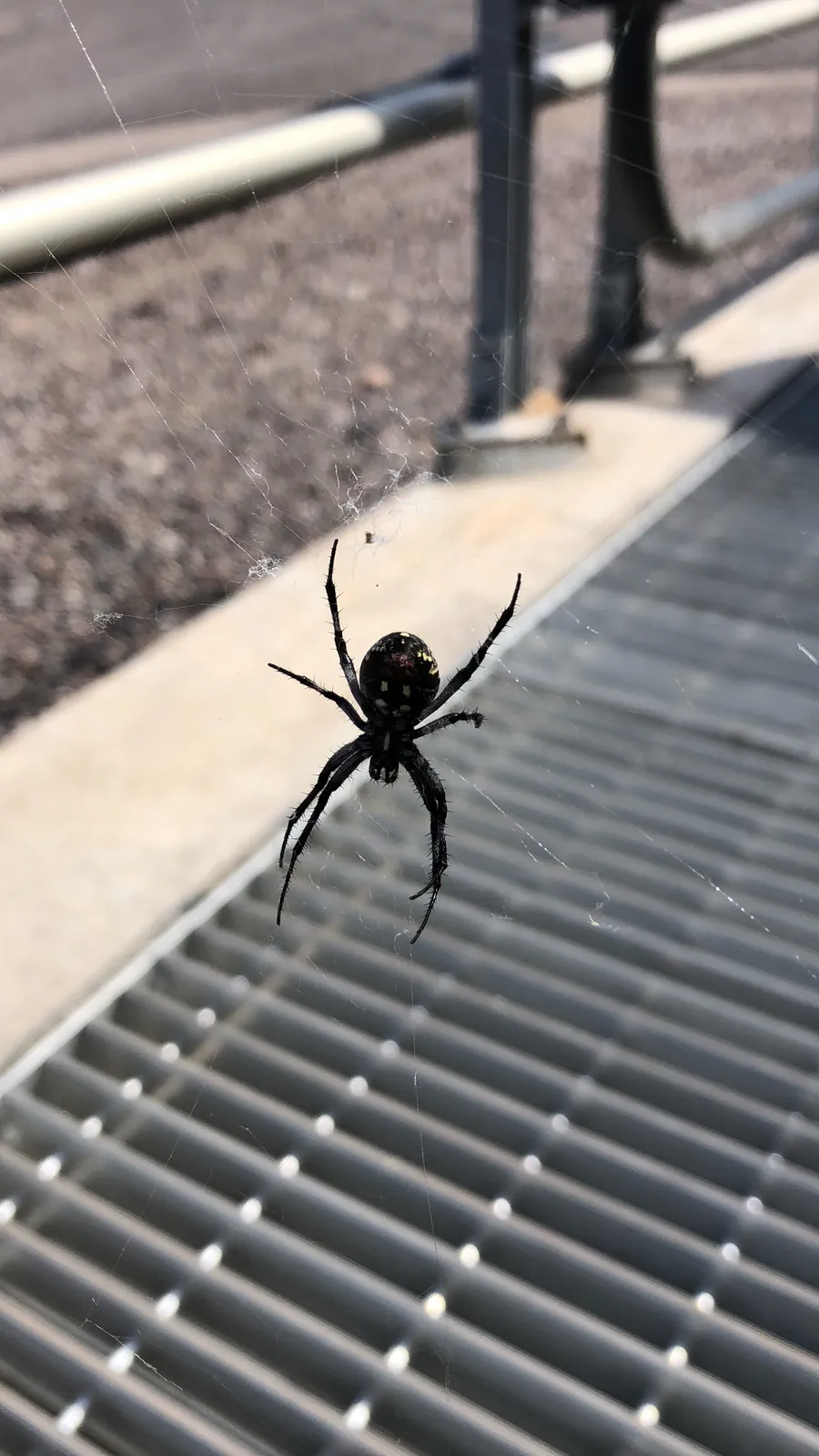
University of Arizona Cooperative Extension says only a few Arizona spiders have bites that need medical treatment: the western black widow and a few native recluse species. The true brown recluse does not occur in Arizona. The recluses found here, such as the Arizona recluse and the desert recluse, look so much like it that only an expert can tell them apart.
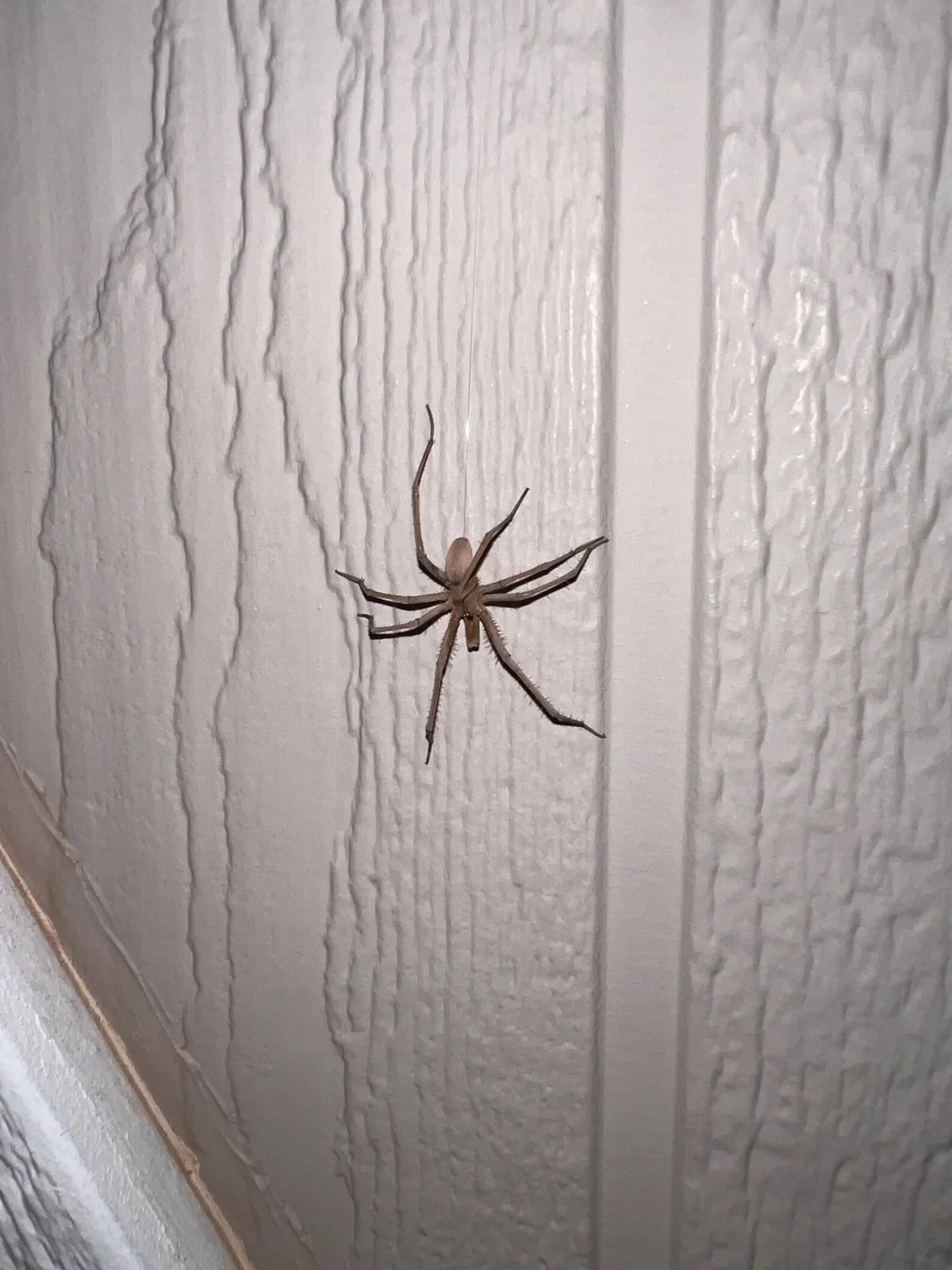
Most other spiders, including the wolf spiders and house spiders people find indoors, are harmless and help by eating insects. Extension also notes that spiders come indoors following their prey, so the more insects a building has, the more spiders it is likely to hold.
A black widow problem and a wolf spider problem call for different work, so a Service Pro identifies what you actually have first. For widows, that means looking where they hide: gaps in block walls, water meter and irrigation boxes, garage corners and clutter. For suspected recluses, it means checking stored boxes and storage that rarely gets disturbed.
Your Service Pro also looks at insect activity around lights and doors, because fewer insects means fewer spiders. Weather stripping doors, repairing screens and sealing cracks help keep spiders out, which matches extension advice. If crickets are feeding the spiders, cricket control can be part of the plan. Learn more about Arizona spiders.
Black widows and desert recluses are active all year in Arizona, according to University of Arizona Cooperative Extension. Extension's Pinal County office notes black widow egg sacs are found most often from May to October, and that even the egg sacs contain venom, so they should never be handled with bare hands.
Fall brings a different wave. Extension notes that wolf spiders and other outdoor spiders wander indoors or closer to buildings in the fall as their insect prey declines. In the White Mountains, cabins in Pinetop-Lakeside and Show Low that sit closed for weeks give spiders undisturbed corners. In Sierra Vista, Bisbee and Douglas, block walls, meter boxes and garages are classic black widow hiding spots.
If someone is bitten and has pain, concern or a reaction, call a doctor or Arizona Poison Control at 1-800-222-1222 first. Talk to an Office Pro if you keep finding black widows near doors, play areas or garages, or if you think you have a recluse and want it identified. They can add spider service to a recurring plan with a free custom quote.
White Mountains homeowners: see our guide to spider control in Show Low and the White Mountains.
Sources: University of Arizona Cooperative Extension: Pest-proofing Your Home (AZ1677); University of Arizona Cooperative Extension: Spiders; University of Arizona Cooperative Extension, Pinal County: Venomous Spiders in Arizona (July 2020 newsletter); University of Arizona Cooperative Extension: Fall Pests and Pest-proofing Tips (October 2019)
Exterior perimeter treatment with a residual spider product.
Web sweeping of eaves, soffits, and porch corners during every visit.
Targeted treatment of black widow harborage, block walls, water meters, irrigation boxes, garage corners, and meter boxes, with web and egg-sac removal where accessible.
Recluse work focused on storage areas, attics, garages, and woodpiles. We'll honestly identify whether you actually have a recluse, most "brown recluse" sightings in AZ are wolf spiders or sun spiders.
Sun spider knockdown by reducing prey pests and treating the perimeter and exterior lighting they hunt around. Sun spiders aren't venomous, just terrifying.
Interior crack-and-crevice work in garages, closets, and storage areas as needed.
Serving
Call or text us, we answer both. Or send us your details and we'll come back with a free custom quote.
New webs will appear over time, which is why web removal and a residual barrier are part of recurring service. Staying on a recurring plan keeps webs down between services.
Black widow bites need medical attention, especially for kids, the elderly, and pets. Most healthy adults recover fully with treatment, but the bite is no joke. We treat the harborage areas, block walls, water meters, garages, to keep them away from the family in the first place.
Probably not. The true brown recluse isn't established in Arizona; its range is mainly the central Midwest and South. Arizona has its own native recluse spiders, most commonly the Arizona recluse, and many spiders called "brown recluse" here are other species. We're happy to identify a sample before recommending treatment.
No. Sun spiders, also called camel spiders, wind scorpions, or solifugids, aren't true spiders or scorpions and aren't venomous to humans or pets. They're fast, large, and aggressive-looking, which is most of the problem.
Yes. University of Arizona Extension says black widows and desert recluses are active year round in Arizona. Egg sacs are found most often from May to October.
No. University of Arizona Extension notes that even black widow egg sacs contain venom. Wear gloves and use a long handled tool or a vacuum to remove them, then seal them in a bag and throw it away.
As outdoor insects decline in the fall, wolf spiders and other outdoor spiders wander closer to buildings and inside looking for prey, according to University of Arizona Extension. Sealing gaps and cutting down insects around lights helps.
It is a program that targets the spiders that matter most in Arizona homes, especially western black widows and native recluses, while cutting down the insects that draw all spiders in.
Your Service Pro identifies the spiders on site, checks the hiding spots for that type, treats those areas and the outside of the home, and points out gaps or clutter that let spiders settle in.