
Arizona species
Giant crab spider (huntsman) in Arizona
Olios giganteus
A big, fast, wall climbing hunter found throughout Arizona. Its bite is reportedly painful but not dangerous.
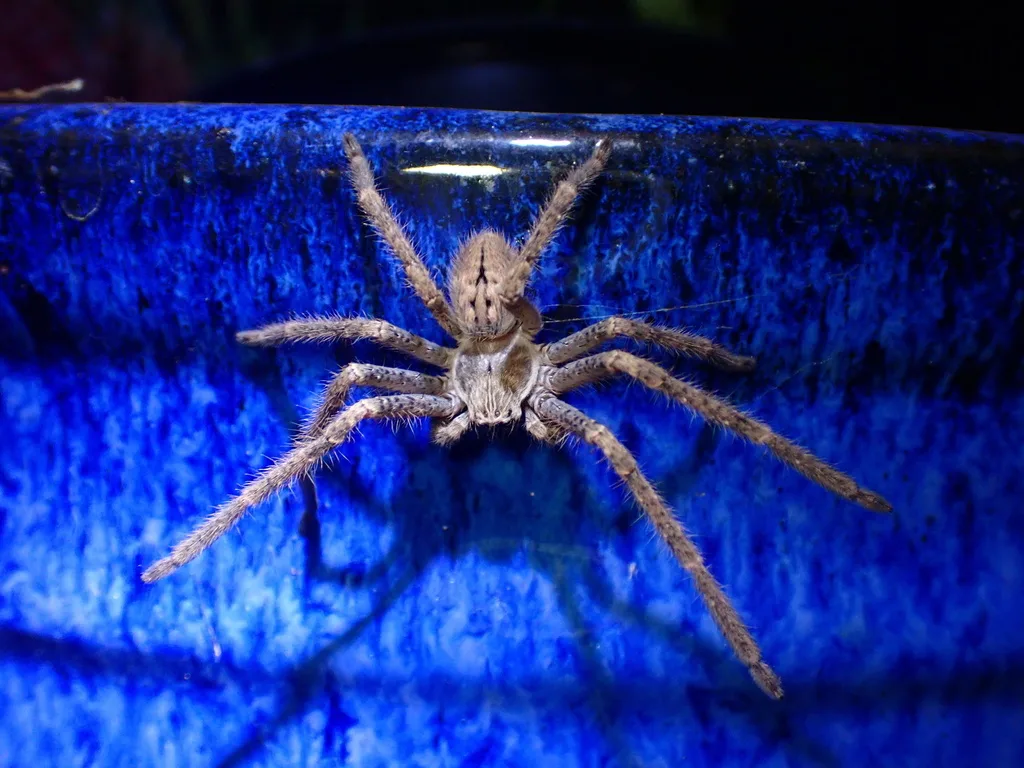
Source: Arizona-Sonora Desert Museum: Giant Crab Spider
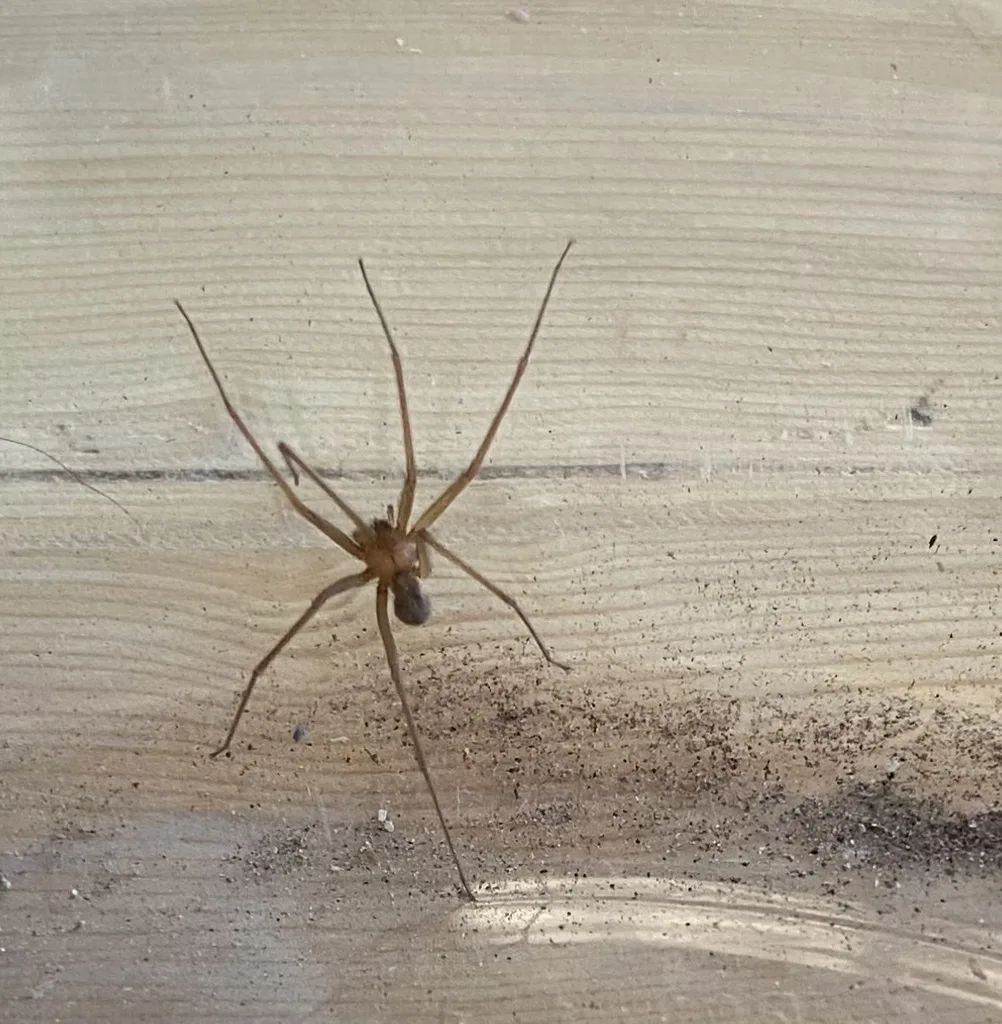
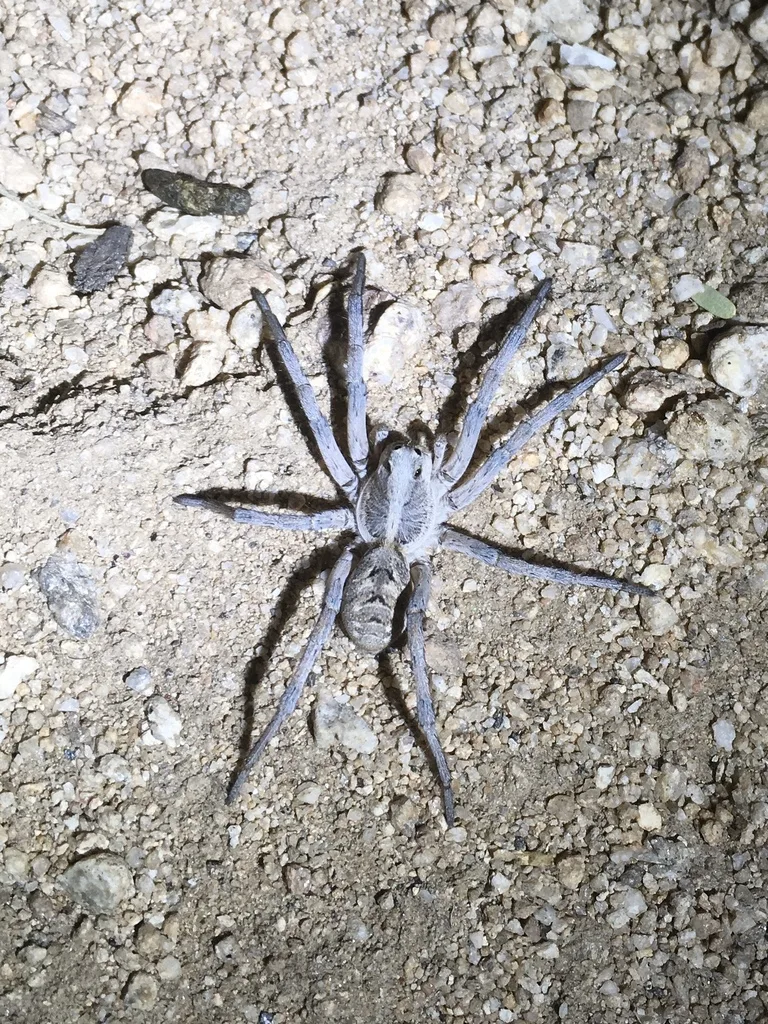
Source: University of Arizona: Arizona brown spider and look-alikes (Progressive Agriculture in Arizona)
How to identify
- Large, medium to light brown spider.
- Legs often held out at right angles to the body.
- Moves sideways fast and climbs smooth walls and ceilings.
- Four pairs of eyes, unlike recluses, which have three pairs.
- Size
- Leg span about 2 to 2 1/4 inches, according to the Arizona-Sonora Desert Museum.
- Habitat
- Dead saguaros, under rocks, in cracks and inside homes; it hides by day and hunts at night.
- Where in Arizona
- Found throughout Arizona and Sonora, according to the Arizona-Sonora Desert Museum.
Look-alikes
Prevention
- Seal gaps around doors, windows and utility lines.
- Repair screens and add door sweeps.
- Reduce clutter near walls and in garages.
- Cut down on the insects spiders feed on, including near outdoor lights.
Call Hydra if large spiders keep appearing on walls or ceilings. Our Service Pros will identify the spider and look for the insects drawing it in.
When to call Hydra
Call or text us, we answer both. Or send us your details and we'll come back with a free custom quote.
Frequently asked questions
Is the giant crab spider dangerous?
No. The Arizona-Sonora Desert Museum says its bite is reportedly painful but not dangerous to people.
Is this the same as a huntsman spider?
Yes. Olios giganteus is also called a huntsman. It belongs to the huntsman family, not the small crab spider family.
Can it be mistaken for a recluse?
Yes. University of Arizona entomologists noted it is the common Arizona spider most like a recluse. Recluses have three pairs of eyes; the giant crab spider has four.