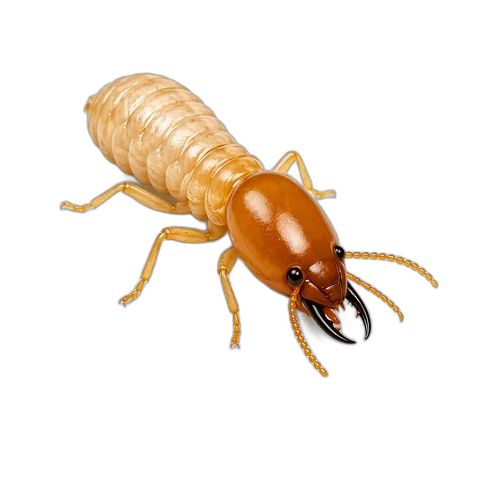
University of Arizona Extension calls termites Arizona's number one urban pest.
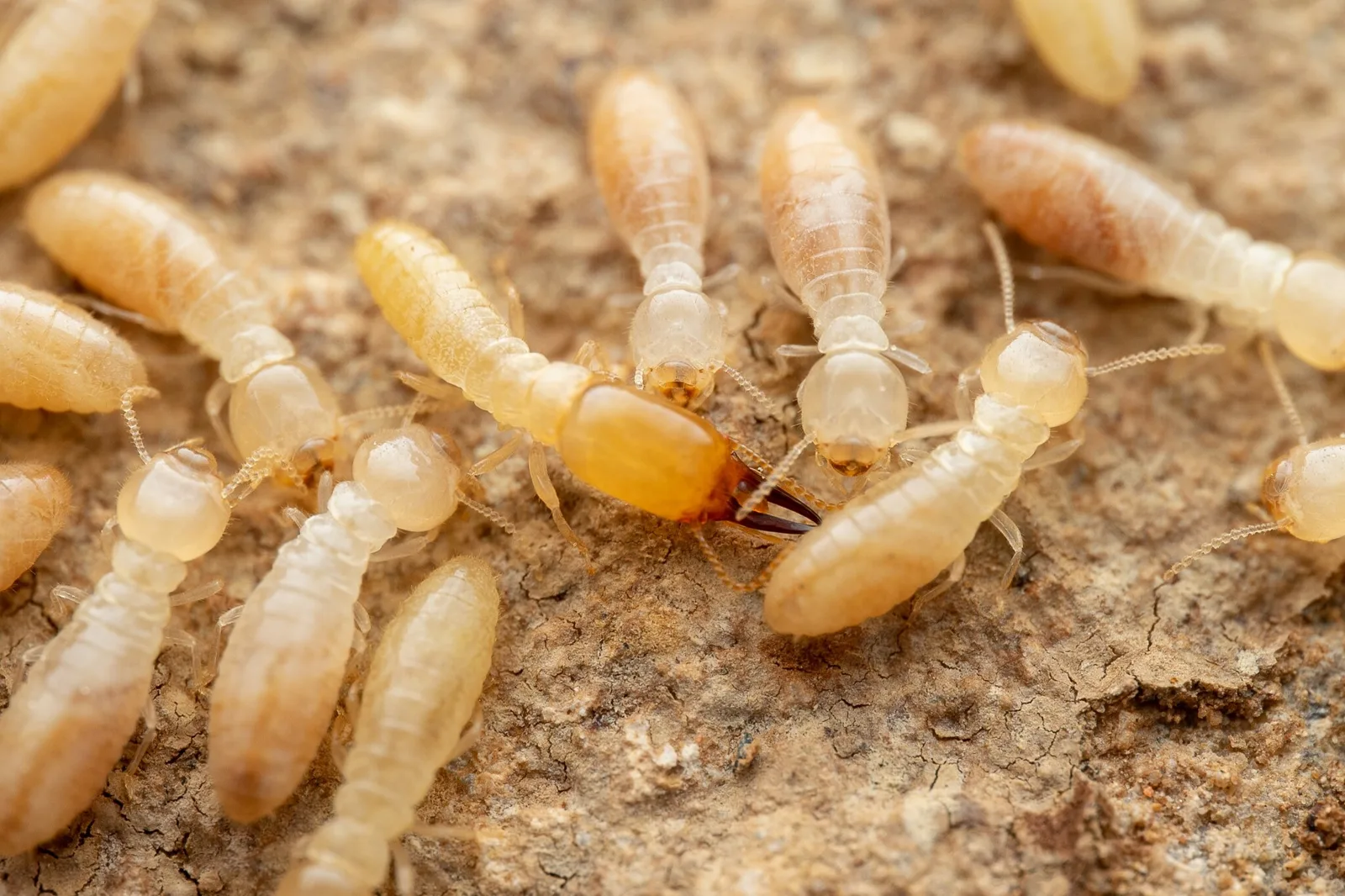
Heterotermes aureus
Reticulitermes tibialis
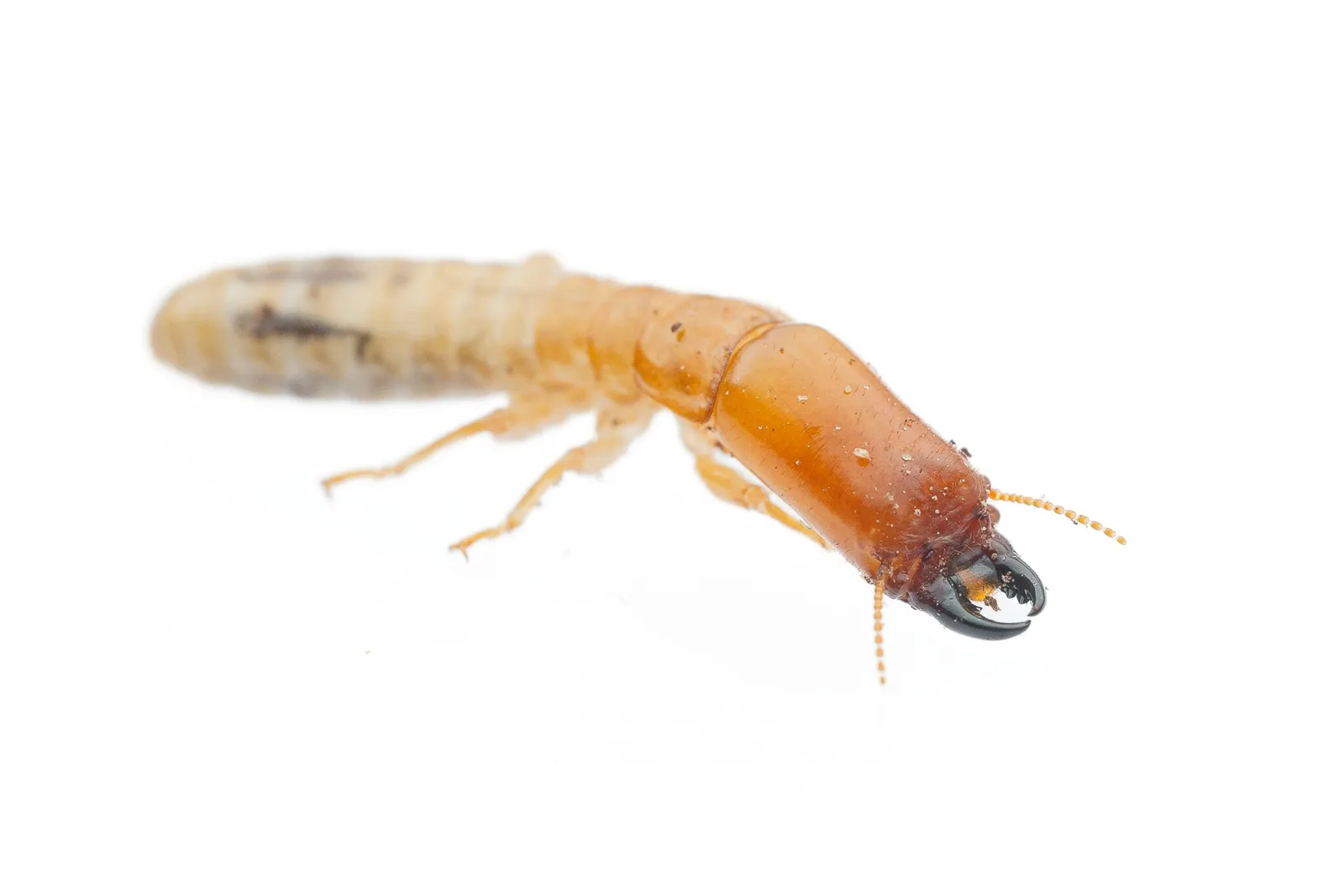
Paraneotermes simplicicornis
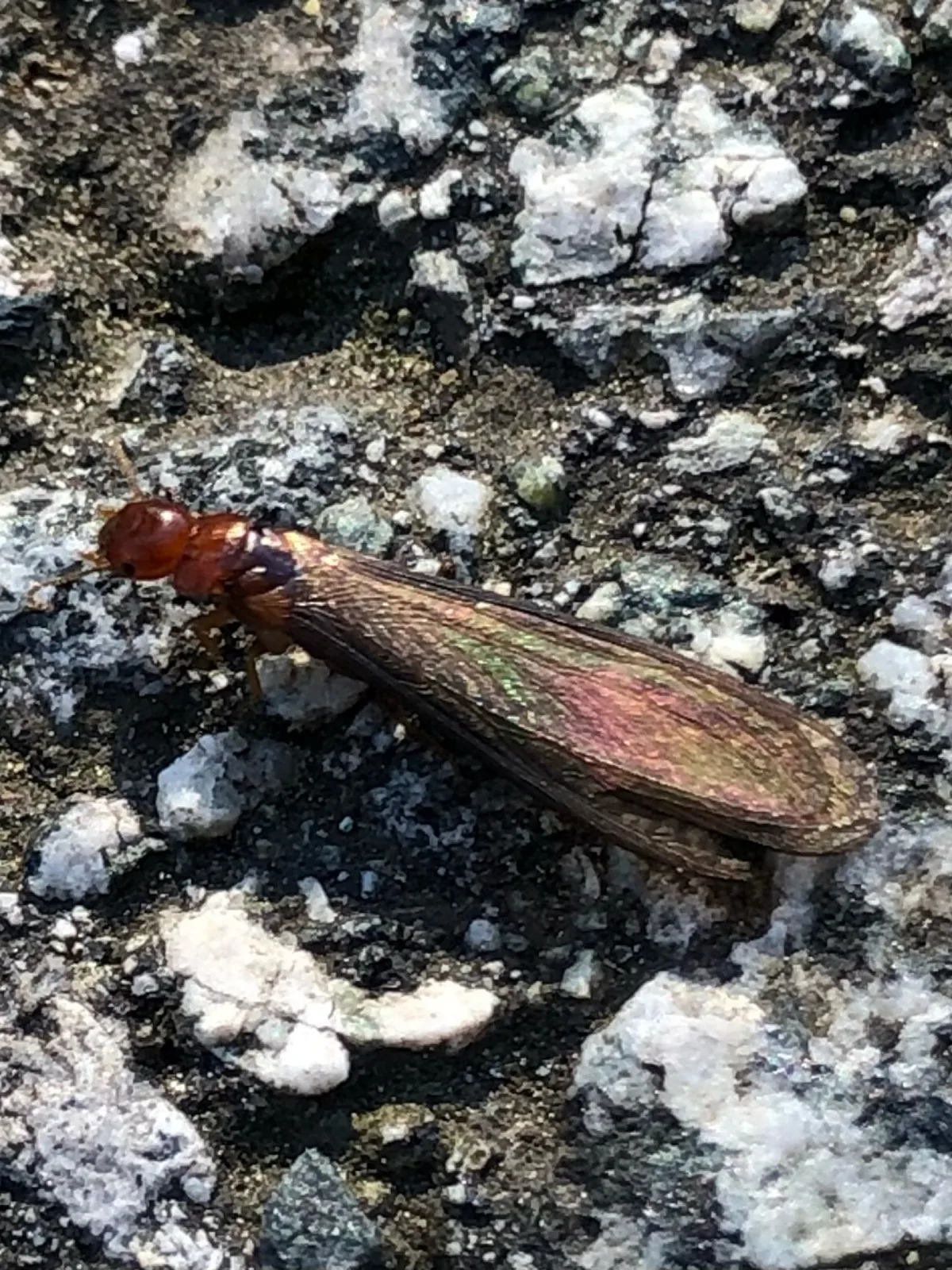
Incisitermes minor
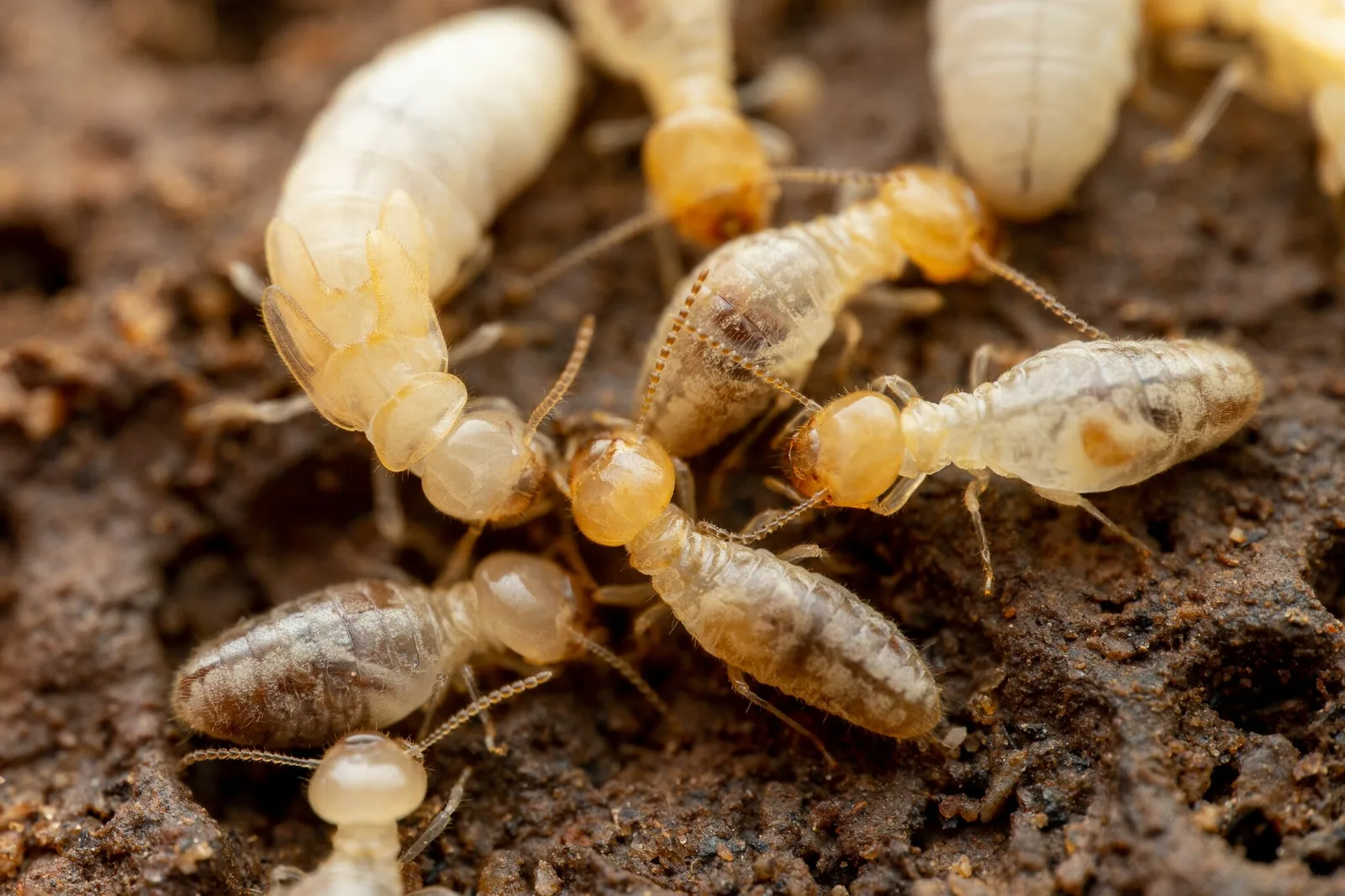
Gnathamitermes (G. perplexus)
Termites in Arizona are mostly subterranean termites. The desert subterranean termite is the state's most destructive termite and the most common one below about 4,000 feet. Higher areas have the arid land subterranean termite, and drywood termites live inside dry wood. Look for mud tubes on stem walls, winged swarmers after monsoon rains and hollow sounding wood.
Find which termites live near your town on the Arizona termite map.
Subterranean termites live in underground colonies of workers, soldiers and winged reproductives. They build mud tubes to travel between the soil and wood while staying moist. In the low desert, desert subterranean termites swarm at dusk after monsoon rains, July to September. Arid land subterranean termites swarm in June and July above 4,000 feet and January to March below it. Activity peaks in the warm, wet months, and the timing depends on elevation.
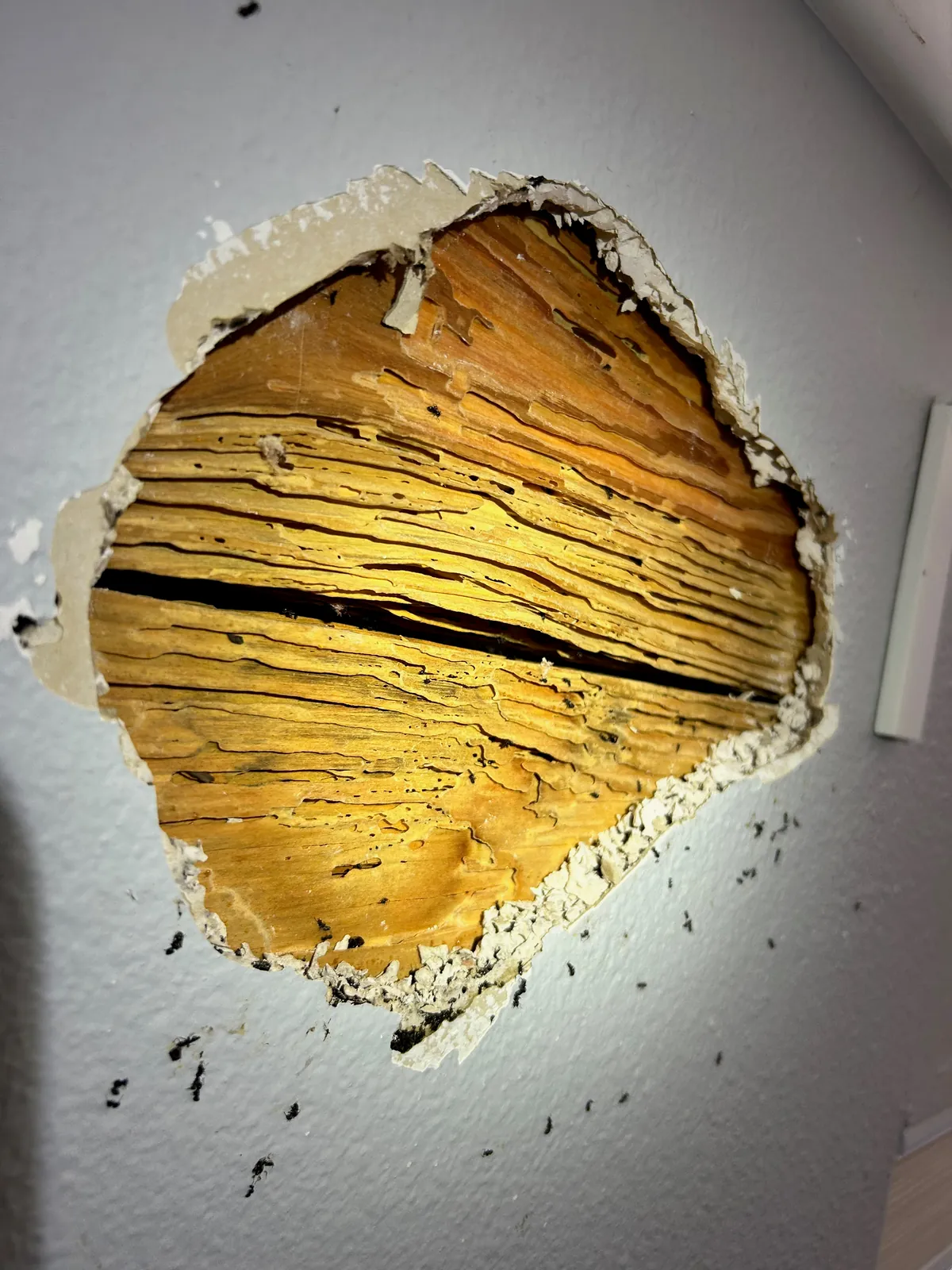
Termites can weaken a building, and the damage is often hidden inside walls, floors and ceilings. University of Arizona Extension says termites usually take a long time, often years, to cause structural damage, so there is time to get an inspection and choose a treatment. Do it yourself termite control is not recommended.
Hydra treats termites with liquid barrier treatments, bait station systems and localized drywood treatments. Bait systems can take months or longer to work and need ongoing monitoring. Our Service Pros also perform Wood Destroying Insect Inspection Reports (WDIIRs) for real estate transactions.
Gila Valley homeowners: see our guide to termite signs in Safford, Thatcher and Pima.
Low desert, below about 4,000 feet, such as Safford, Thatcher, Pima and Benson: the desert subterranean termite is the main subterranean termite, and western drywood termites are found too.
Around and above 4,000 feet, such as Willcox and Sierra Vista: the arid land subterranean termite becomes common, with the desert subterranean termite in lower, hotter spots.
White Mountains: the arid land subterranean termite is the main termite. University of Arizona Extension says western drywood termites live naturally below about 6,000 feet, so drywood problems up high usually start with infested wood or furniture brought in.
For your town or ZIP code, see the Arizona termite map.
Desert subterranean termites swarm at dusk after rain during the monsoon, July to September, and their swarmers are rarely found inside. Arid land subterranean termites swarm in June and July above 4,000 feet and January to March below it. University of California IPM notes that swarmers in the yard do not always mean the house is infested. See When is termite season in Arizona? and our spring termite swarm guide.
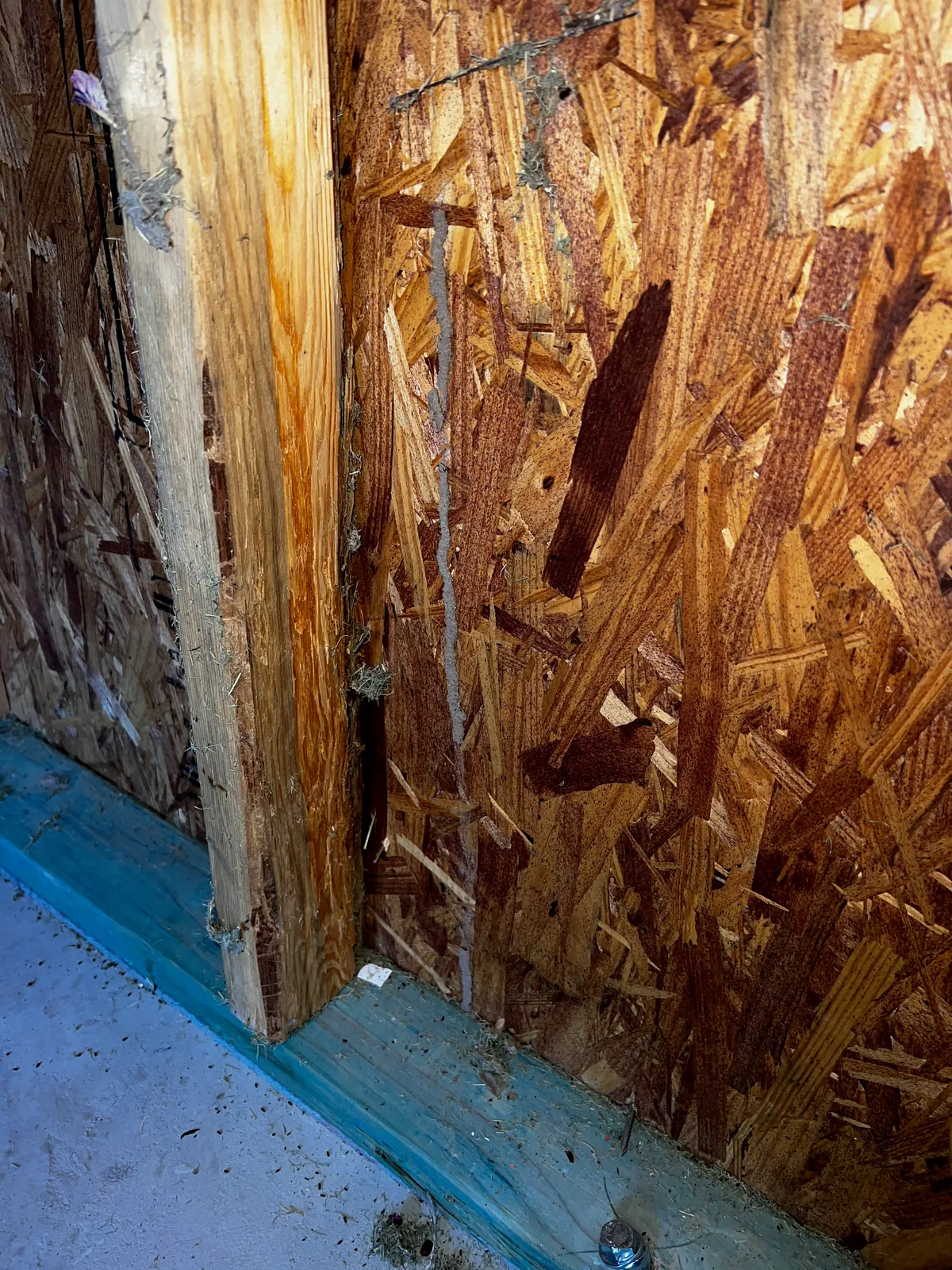
Mud tubes on the stem wall are the most common sign. Desert subterranean tubes are small, strong and light colored, while arid land subterranean tubes are flatter and a dirty dark brown. Drop tubes can hang from ceilings. Other signs are swarmers or shed wings indoors, small piles of drywood termite pellets below tiny holes in wood, and wood that sounds hollow when tapped. See What are termite mud tubes? and How do I know if I have subterranean termites?.
Gila Valley: Safford, Thatcher and Pima sit in the low desert, where the desert subterranean termite leads. White Mountains: the arid land subterranean termite is the one to watch; see Do you need a termite pre-treatment in the White Mountains?. Sierra Vista: arid land subterranean termites in the grasslands, with desert subterranean termites in lower spots such as Benson.
Arizona sets minimum standards for Wood Destroying Insect Inspection Reports (WDIIRs), and lenders usually ask for one. Buyers can look up past termite treatments reported for an address with the Arizona Department of Agriculture termite report search. See What is a WDIIR? and How do I check my home's termite treatment history in Arizona?.
Talk to an Office Pro by call or text, or request a free custom quote. Our Service Pros serve the Gila Valley, White Mountains and Sierra Vista.
How we treat it
Stop active subterranean termites with proven liquid barrier treatment.
See our termites treatment planPricing depends on the square footage of the structures being treated and the pest activity present, so every property is quoted individually. Talk to an Office Pro for a free custom quote.
Not by state law. Arizona law sets minimum standards for Wood-Destroying Insect Inspection Reports (WDIIRs), but it doesn't require one for a home sale; it's usually the lender that requires it. Hydra performs WDIIRs across the Gila Valley, White Mountains and Sierra Vista.
Arizona's main structural termites are the desert subterranean termite, the arid land subterranean termite, the western drywood termite and the desert dampwood termite, which University of Arizona Extension notes is actually in the drywood family. The desert termite builds mud coatings on dead grass and fences but is usually not a structural pest.
Yes. New colonies can move in over time. Checking your stem wall about twice a year, having a Service Pro inspect regularly and keeping an active termite warranty all help catch new activity early.
Termite warrantiesThey can, but they are slow. University of California IPM says bait systems may take several months or even years to control the problem and need constant monitoring. Liquid barrier treatments are the other main option. Talk to an Office Pro about which fits your home.
Termite bait systemWood touching the soil gives subterranean termites an easy way in. University of California IPM says to remove wood in contact with the soil, keep wood beneath the building at least 12 inches above the soil and keep foundation areas dry. Store firewood and lumber away from the stem wall.
No. Termites eat wood and other cellulose, but they can travel through small cracks and build tubes over block and stucco to reach wood. University of California IPM says stucco that reaches the ground can let termites travel unseen, and University of Arizona Extension recommends about 4 inches between the soil line and the stucco.
Yes. The arid land subterranean termite lives at higher elevations, and University of Arizona Extension says it swarms in June and July above 4,000 feet. Drywood termites are less common up high and usually arrive in infested wood or furniture.
White Mountains termite pre-treatmentUsually not. Desert termites build thin mud coatings on dead grass, plants and fence posts. University of Arizona Extension says they generally should not be treated unless they are found inside a structure. If you see mud tubes on your stem wall, have a Service Pro take a look.
Use the Arizona Department of Agriculture's public termite report search to look up past treatments reported for an address, and ask for a WDIIR before closing.
Termite treatment history search guideCall or text us, we answer both. Or send us your details and we'll come back with a free custom quote.